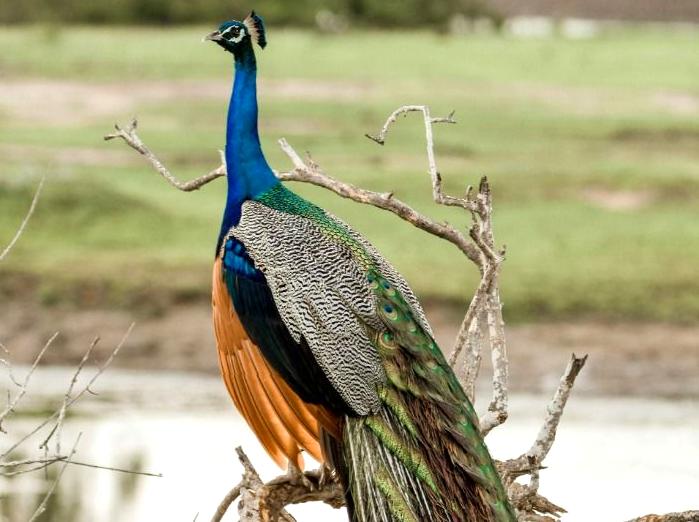

Birdwatching expeditions offer unique opportunities for nature enthusiasts and casual observers alike to spot rare and exotic bird species in their natural habitats. This ever-growing hobby combines adventure and education, attracting individuals who are eager to explore the wonders of avian life. Whether one is seasoned or a beginner, these expeditions promise exciting experiences that go far beyond simply viewing birds. They engage participants in the broader aspects of ecology, biodiversity, and conservation efforts, all while providing a peaceful retreat into the great outdoors.
Contents
Understanding Birdwatching Expeditions
Birdwatching expeditions are organized trips designed to facilitate the observation of birds in their natural environment. These excursions vary in length, ranging from day trips to multi-day adventures, often led by expert guides who possess an in-depth understanding of local avifauna. Destinations can include national parks, wildlife reserves, and even remote tropical locales known for their biodiversity. During these expeditions, participants are equipped with binoculars, field guides, and notebooks to document their findings, fostering a deeper connection to the natural world around them. Additionally, these trips are often enriched with educational sessions about bird behavior, migration patterns, and the importance of habitat conservation. Overall, they provide an immersive experience that cultivates a sense of stewardship for our planet’s feathered inhabitants.

Choosing the Right Destination
Selecting the ideal location for a birdwatching expedition can significantly impact the quality of experiences one encounters. Certain regions are recognized as hotspots for rare or exotic bird species, making carefully choosing the destination crucial. Below is a list of notable birdwatching locations:
-
- Amazon Rainforest, South America: Home to thousands of bird species, including the elusive harpy eagle.
- Galápagos Islands, Ecuador: Famous for unique species such as the blue-footed booby and Darwin’s finches.
- Kruger National Park, South Africa: A diversity hotspot featuring rare birds like the African crowned eagle.
- Florida Everglades, USA: Ideal for spotting wading birds, including the endangered roseate spoonbill.
- Bird Islands, Seychelles: Showcases island-endemic species such as the Seychelles magpie-robin.
World-class venues for birdwatching not only boast astonishing wildlife but also often provide a range of amenities such as lodges and guided tours. Understanding the local climate and seasonality is vital too, as these factors can influence migration patterns and bird visibility. Seasoned birdwatchers often plan trips during specific times of the year when the likelihood of spotting elusive species increases, enhancing their overall experience.
Essential Gear for Birdwatching Expeditions
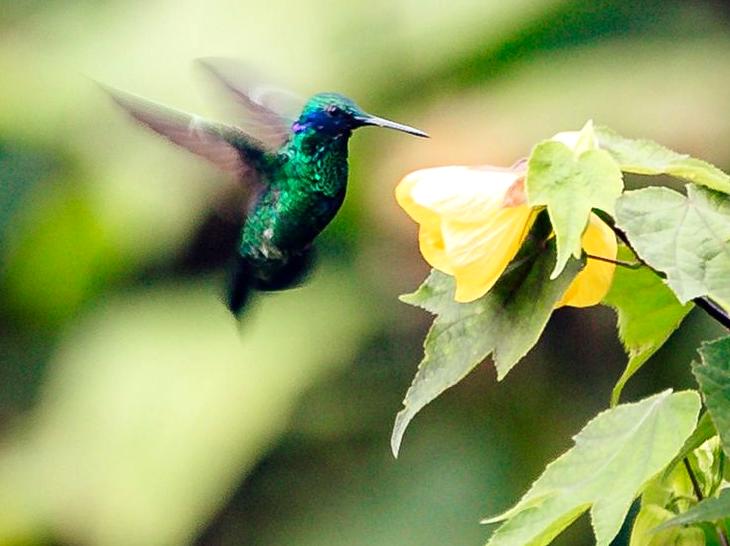
Participating in birdwatching expeditions requires some essential gear to ensure a successful and comfortable adventure. Firstly, a good pair of binoculars is fundamental, allowing birdwatchers to observe species up close without disturbing them. A spotting scope can also be valuable, particularly in vast landscapes where birds are located at a distance. Additionally, carrying a field guide specific to the region enhances identification skills while documenting sightings adds a personal touch to each adventure. Comfortable clothing and sturdy footwear are important for navigating various terrains, as many birdwatching sites may involve hiking. Lastly, a notebook or smartphone app can serve to record observations while also taking notes on behavior and habitat, enriching the overall experience. By equipping oneself with the right tools, one can enjoy the nuances of birdwatching fully.
The Impact of Birdwatching on Conservation
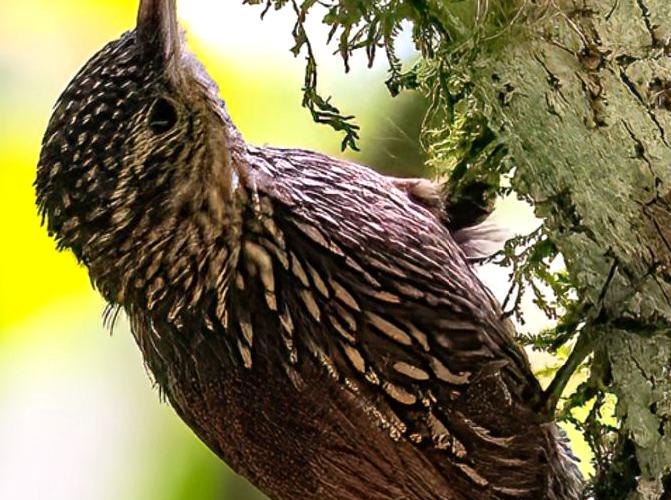
Birdwatching is not just a pastime; it plays a crucial role in conservation efforts worldwide. Every expedition raises awareness of the need to protect bird habitats and biodiversity, encouraging participants to advocate for environmental conservation. Engaging with local communities during these trips often leads to collaborations aimed at preserving ecosystems that are home to rare and endangered species. Tour operators can contribute directly to conservation funds, ensuring that a portion of the proceeds go towards habitat restoration and protection efforts. By promoting responsible birdwatching practices, enthusiasts help mitigate the effects of human activities on bird populations. Ultimately, birdwatching fosters a strong connection between individuals and nature, empowering participants to become advocates for the planet.
Conclusion
In conclusion, birdwatching expeditions provide enriching experiences that connect people with nature while fostering awareness of conservation. These trips combine adventure with education, allowing participants to spot rare and exotic birds up close. By choosing the right destinations and coming prepared with the necessary gear, birdwatchers can enjoy unforgettable moments in the great outdoors while simultaneously contributing to vital conservation efforts. As more people join this engaging hobby, the impact on global awareness and habitat preservation continues to grow, underscoring the importance of our connection to the natural world.
Frequently Asked Questions
The best time for birdwatching often varies by location. Spring and fall are typically ideal, as many birds are migrating during these seasons, making them easier to spot.
Do I need any special skills to go birdwatching?
No special skills are required to start birdwatching. Beginners can learn from guides or fellow enthusiasts and gain skills over time with practice.
Can I go birdwatching on my own?
Yes, many birdwatchers enjoy solo excursions. However, going with experienced guides can enhance the experience, especially in unfamiliar territories.
What types of birds should I expect to see on expeditions?
Expect to see a variety of birds ranging from common species to rare and exotic ones, depending on your location and the time of year.
How does birdwatching contribute to conservation efforts?
Birdwatching raises awareness about the importance of habitat preservation and contributes directly to funding initiatives that support conservation.