
How Can You See the Snow in Victoria on a Budget?
Not everyone’s got the budget for a luxe ski chalet and three-day lift passes. But that doesn’t mean you can’t get your snow fix in Victoria without emptying the piggy bank. I’ve been hitting the High Country for over 20 years — sometimes with a proper plan, sometimes with nothing but a thermos and a half-flat tyre. So trust me, you can see the snow without breaking the bank.
Here’s how to do it: smart choices, early prep, and a bit of old-fashioned bushie know-how. Whether you’re chasing pristine snow, panoramic views, or a steaming cup of hot chocolate, Victoria’s alpine regions serve it up without the hefty price tag. Bonus: you can even link your snow trip with nearby tour destinations like Healesville Sanctuary or the Yarra Valley wine region — both doable in a day.
Budget Snow Fun Destinations
1. Mount Donna Buang (Yarra Ranges)
Let’s start with the obvious wallet-saver: Mount Donna Buang. It’s the closest snow destination to Melbourne — and best of all, it’s free. Yep, no entry fee, no lift pass, no fuss.
What to know:
- Only 90 mins from Melbourne — the closest spot for snow play
- Perfect for tobogganing and snow play
- No skiing facilities, but loads of fun for kids and first-timers
- Bring your own snow gear or hire in Warburton
Budget tip: Bring a packed lunch and a full tank — there are no food vendors or servos up the top.
If you’re after an easy day snow trip Melbourne, this is hands-down your best bet.
Autopia Tours occasionally includes this stop in their winter packages, so keep an eye out if you’re car-less or just want someone else to drive.
2. Lake Mountain Alpine Resort

If you want a bit more structure but still don’t want to splurge, Lake Mountain is your friend. It’s one of the most affordable alpine destinations in Victoria.
Key details:
- Entry fee: around $54 per car
- Cross-country skiing, snowshoeing, toboggan runs, and winter sports
- No chairlifts, so no expensive lift passes or day skiing costs
- Gear and board hire available (book online for cheaper prices)
Budget tip: Go midweek or during shoulder season (late June or early September) for better deals and fewer crowds.
Lake Mountain is perfect for a relaxed snow trip from Melbourne — with scenic drives, snowy gums, and a bit of adventure without the overnight price tag.
Add a detour to Marysville for waterfalls and local eats — it’s a gem of a stop after a day in the snow.
3. Mount Baw Baw
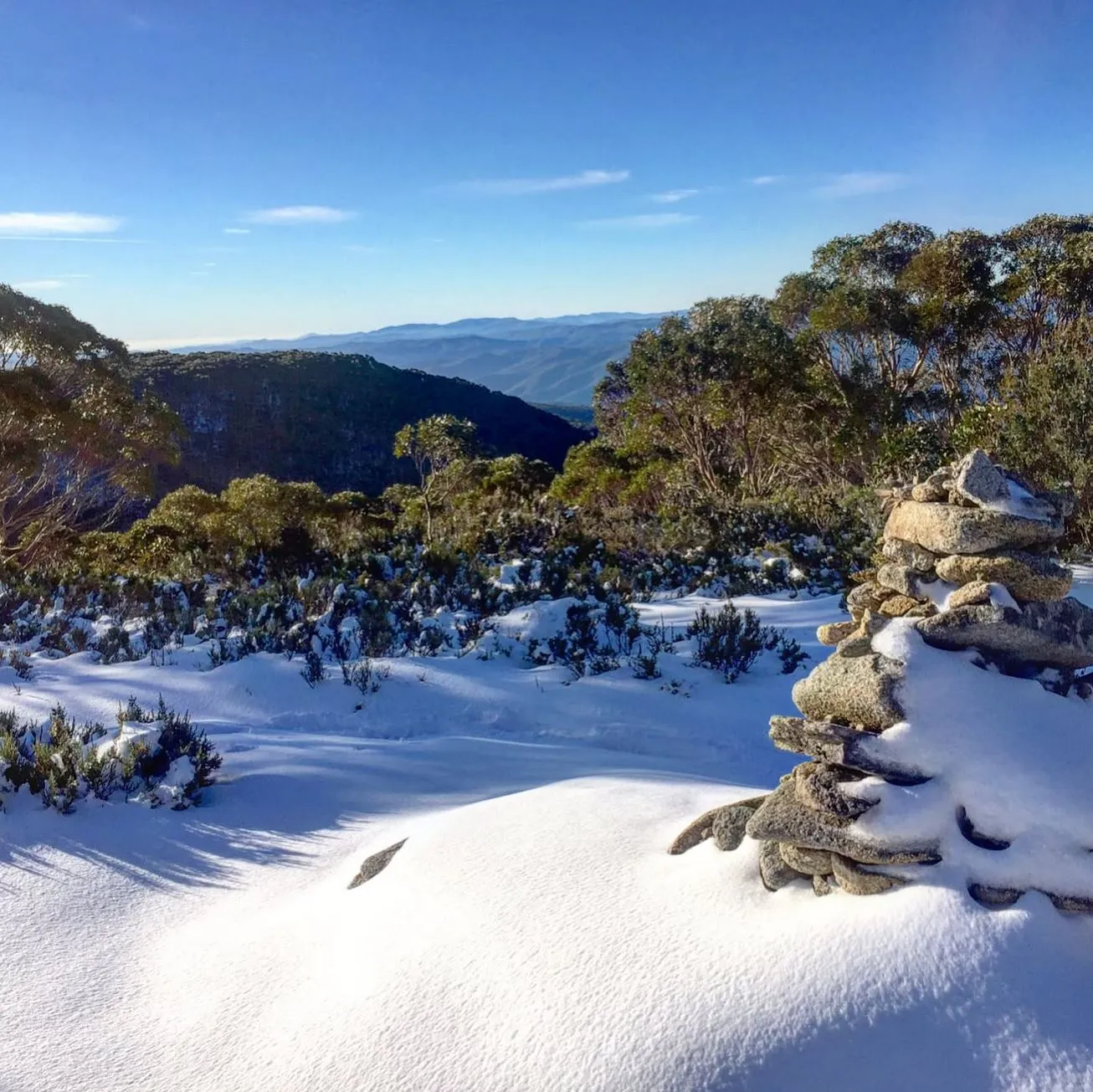
Baw Baw’s a bit of a hidden gem — smaller than Hotham or Buller, but that’s what keeps it affordable.
Details:
- Entry fee: $56 per vehicle (book online to save)
- Good mix of beginner skiers, scenic drive appeal, and snow play areas
- You can stay in nearby towns like Rawson or Tanjil Bren for affordable prices
Budget tip: Skip the on-mountain stays and day trip it if you’re within 2-3 hours. Baw Baw also offers night skiing on selected dates.
Wildlife Tours runs occasional small group trips to Mount Baw Baw — worth checking if you prefer guided snow days without the logistics.
If you’re building your own itinerary for a snow trip Victoria, just make sure to hit the road early — traffic and icy corners can slow you down.
Snow Season Timing for Maximum Value

Victoria’s ski season usually runs from early June to late September, but the sweet spot for budget travellers is:
- Early June: Resorts open, but it’s quieter and cheaper
- Late August to early September: Still snow, fewer crowds, lower prices
Avoid weekends and school holidays — the peak times — if you’re counting coins.
Check the resort snow cam daily to avoid wasting a trip if the snowfall is patchy.
Getting There Without Going Broke
Drive Smart, Not Hard
Petrol’s not cheap these days, so:
- Carpool with mates or family (don’t forget the child seats if needed)
- Use apps like FuelMap or PetrolSpy to find cheaper fuel stops
- Fill up in bigger towns before you hit the alpine climes — resort petrol is often inflated
Public Transport and Bus Services
If you don’t drive or just hate the thought of snow chains:
- Lake Mountain: V/Line to Marysville + local snow shuttle
- Mt Baw Baw: V/Line to Moe + mountain bus (seasonal services)
You’ll save on petrol, parking, and stress — just double-check those timetables.
Some operators like Autopia Tours offer day trips to alpine parks with transport, snow gear included, and a hot drink thrown in — handy if you’re travelling light.
Snow Gear on a Shoestring

You don’t need a designer jacket to survive a snow day.
Hire Don’t Buy
Most towns near the alpine parks have gear rental shops:
- Warburton, Marysville, Noojee — all good for chains, jackets, boots, winter gear, and toboggans
- Some offer bundle discounts if you book ahead
What You Actually Need
Forget the fancy brands. Pack smart:
- Waterproof jacket and pants (windproof too)
- Thermals or layers — don’t overdress, you’ll sweat and freeze
- Beanie, gloves, thick socks
- Spare clothes for the trip home
Op shops can be goldmines for snow-friendly gear if you start looking a few weeks out.
Eat Cheap: Food and Drink Hacks for Snow Trips
Snow resorts love charging $16 for a soggy burger. Don’t fall for it.
Pack a Feed
Bring your own:
- Thermos with hot chocolate, soup or tea
- Pre-made sandwiches or wraps
- Snacks like muesli bars, trail mix, or hard-boiled eggs
Cook at Your Accom
If you’re staying overnight, book somewhere with a kitchen. Make one big pot meal — ideal for country trails and cold nights.
Where to Stay
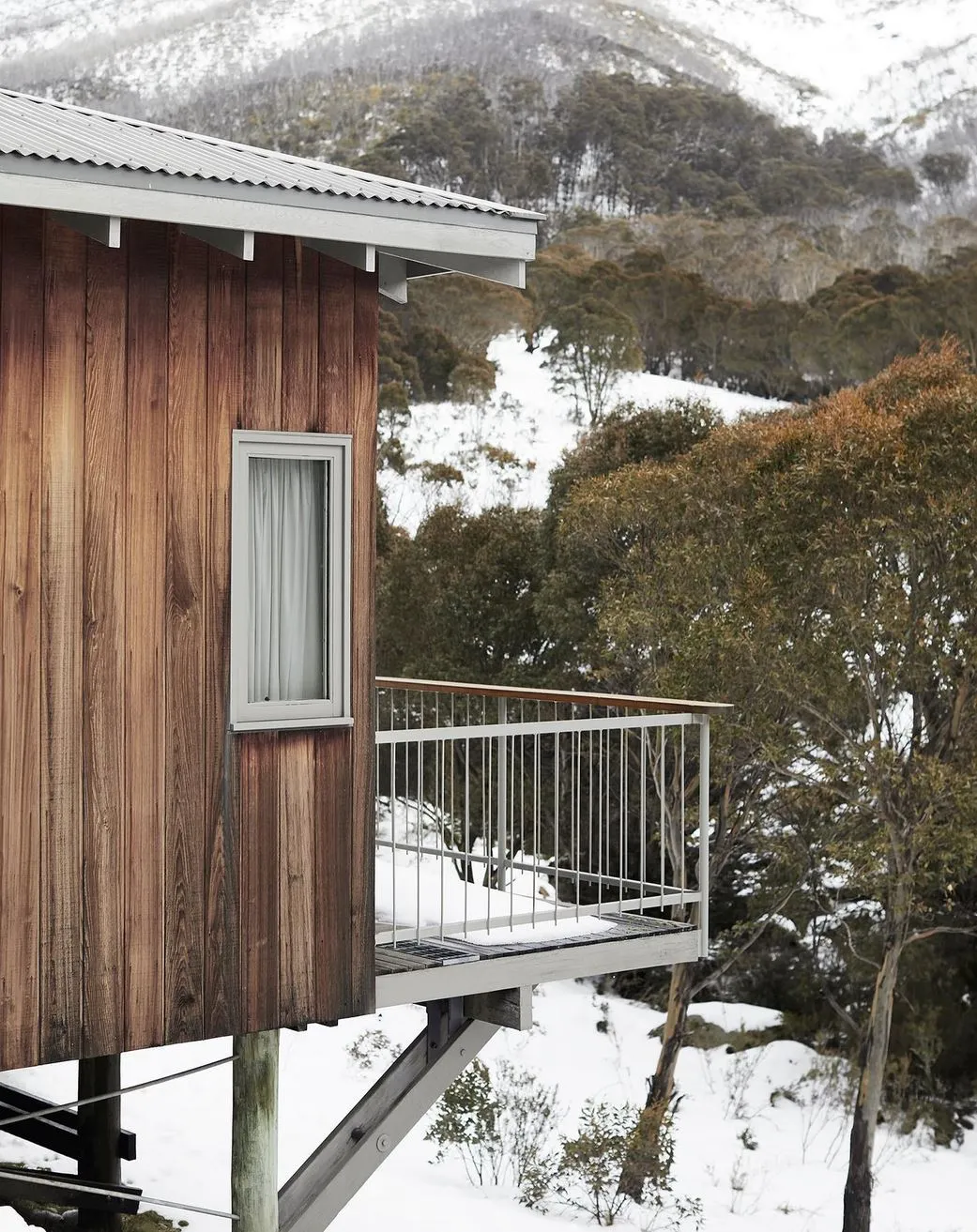
Budget Accom Tips:
- Stay in nearby alpine villages or towns like Warburton, Marysville, Noojee, or Rawson
- Use Booking.com or Stayz and filter by cheaper prices
- Hostels, farm stays, and family cabins offer affordable winter getaways
Pro tip: Book well in advance, especially for weekends. Places in prime locations fill quickly.
Pairing your trip with stops at nearby popular destinations like Walhalla or Mount Macedon makes the whole winter getaway feel fuller — and still budget friendly.
Local Warnings and Tips
- Chains are mandatory in alpine destinations — don’t risk the fine
- Weather changes fast. Always check VicRoads, resort snow cams, and alpine forecasts
- Phone reception can drop out — screenshot maps or print backups
- Parking fills up early — get to popular ski resorts by 9am
- Ski fields cater to all ability levels — from beginner skiers to advanced levels, but stick to budget-friendly runs
Final Thoughts
You don’t need a platinum card to enjoy Victoria’s snowy mountains. With the right planning, a few savvy hacks, and the willingness to rug up, you can enjoy alpine destinations, fashioned snow fun, and scenic drives through winter months — without coughing up for expensive lift passes or luxury digs.
Operators like Autopia Tours make it even easier with winter day trip packages for all ability levels — and zero stress. If you’ve got a favourite original video from your snow trip or know a cheaper lift trick at the popular ski resorts, pop it in the comments. I’m always updating my snow maps for fellow bargain chasers.
FAQ
What’s the cheapest place to see snow in Victoria?
Mount Donna Buang — no entry fee, and it’s closest to Melbourne.
Do I need snow chains if I’m just visiting for the day?
If you’re heading to alpine regions like Baw Baw or Lake Mountain, yes. Conditions can change quickly.
Can I see snow without skiing?
Absolutely. You can toboggan, build snowmen, or just enjoy the alpine views — no skis needed.
Is there free parking at snow spots?
Yes, at Mt Donna Buang. Resorts usually charge unless you’re using the bus services.
What should I wear if I don’t own snow gear?
Waterproof outer layers, warm clothes underneath, gloves, beanie, and solid shoes or boots — all good for snow playing and walking around.
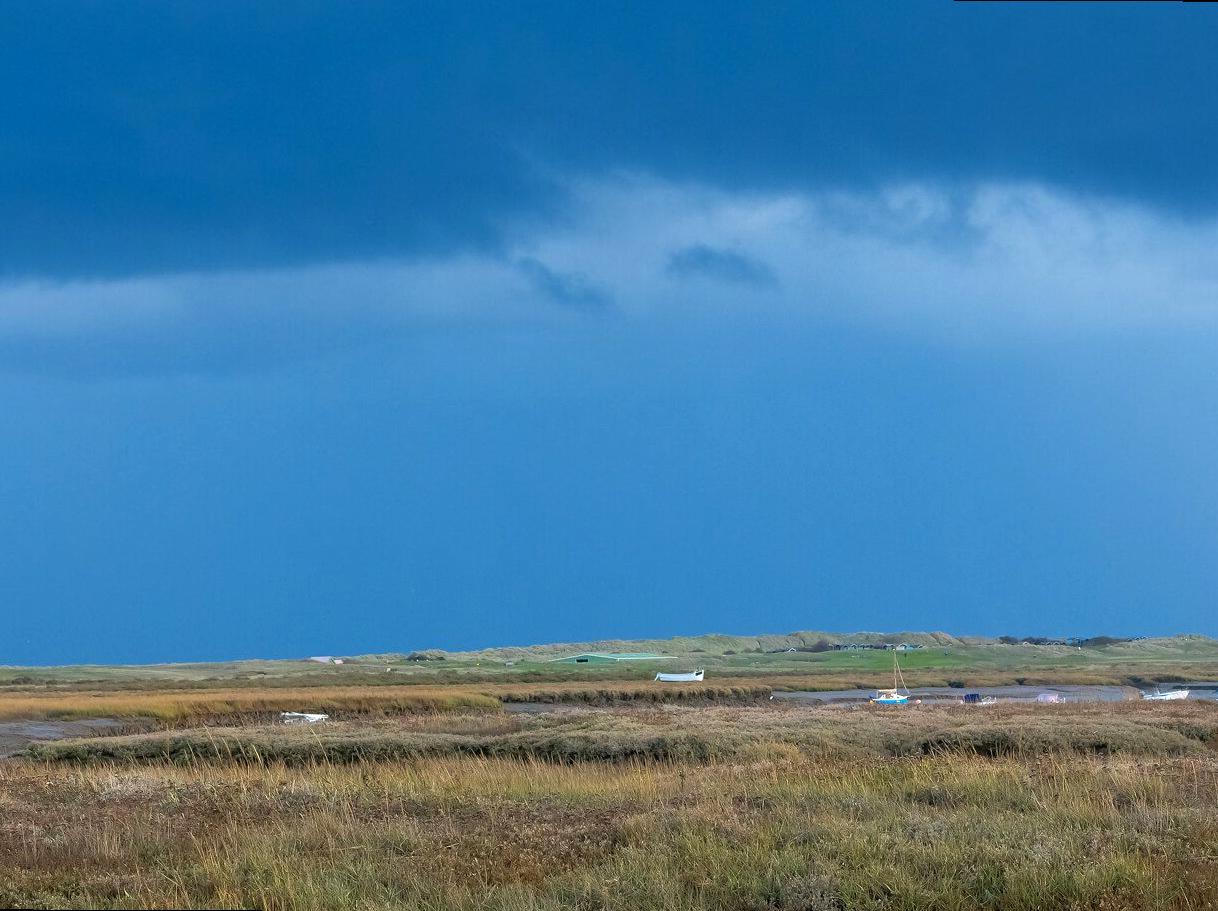
Mudflat Walking at Low Tide: Exploring the unique ecosystems of mudflats during low tide.
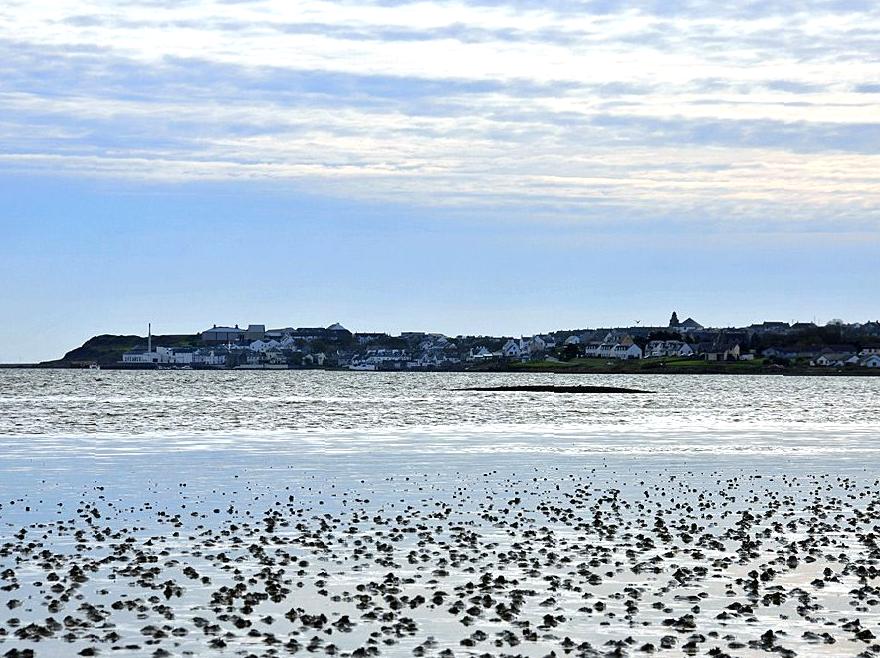
Mudflat walking at low tide offers a remarkable opportunity to explore unique ecosystems that thrive in coastal regions. These areas, rich in biodiversity, reveal hidden wonders and demonstrate the vital role they play in coastal ecology. During low tide, the water recedes, exposing expansive mudflats teeming with life, where visitors can observe various species and their habitats. By understanding the dynamics of these ecosystems, we can appreciate their beauty and contribute to their preservation. This article delves into the significance of mudflats, the rich variety of life they host, and how to conduct yourself when exploring these delicate environments.
The Significance of Mudflats

Mudflats are more than just wet and squishy areas; they are essential components of coastal ecosystems. These interconnected environments serve a multitude of functions, including the protection of shorelines from erosion and providing nursery habitats for many marine species. They act as filters for pollutants, improving water quality, and supporting a diverse range of plant and animal life. The nutrient-rich sediments found in mudflats are a critical resource for various organisms, from microscopic algae to large migratory birds. Furthermore, they serve as essential feeding grounds for numerous species that depend on the productivity of these areas.
What Lives in the Mud?
The ecological diversity of mudflats is astounding. As you traverse these expansive tidal zones, you might encounter:
-
- Shellfish: Clams, oysters, and mussels thrive in the mud, filtering water and contributing to nutrient cycles.
- Crustaceans: Species like fiddler crabs and shrimp play crucial roles in breaking down organic matter.
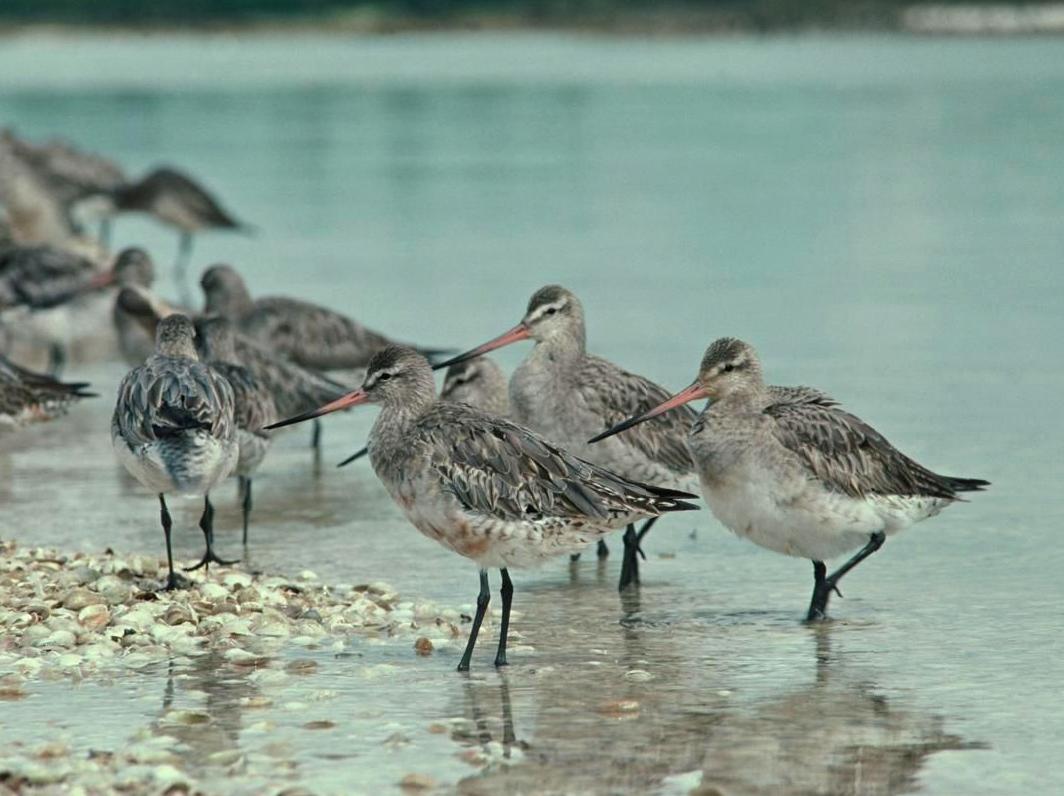
- Birds: Migratory and resident shorebirds flock to mudflats to feed on the abundant invertebrate populations.
- Seagrasses and Marsh Plants: These plants provide habitat and stabilize the sediment, preventing erosion.
- Microorganisms: Bacteria and other microorganisms decompose organic material, playing a vital role in nutrient recycling.
Each component of this ecosystem interacts with others, forming a network that is essential for the health of coastal waters. By understanding these connections, we can appreciate the complexity and fragility of mudflat environments.
Preparing for Your Mudflat Adventure
Before embarking on your mudflat walking adventure, preparation is key for both safety and the protection of this sensitive environment. Firstly, checking the tide schedule is essential to ensure you visit during low tide when the mudflats are most accessible. Wearing appropriate footwear, such as sturdy water shoes or rubber boots, prevents slipping and keeps your feet safe from sharp shells and debris. It’s also wise to dress in layers, as coastal weather can change rapidly. Additionally, bringing tools such as a bucket for collecting interesting findings or a field guide can enhance your experience by providing context for what you discover. Lastly, always remember to follow the Leave No Trace principles: take only photos, leave only footprints, and respect wildlife habitats.
Ecological Responsibilities
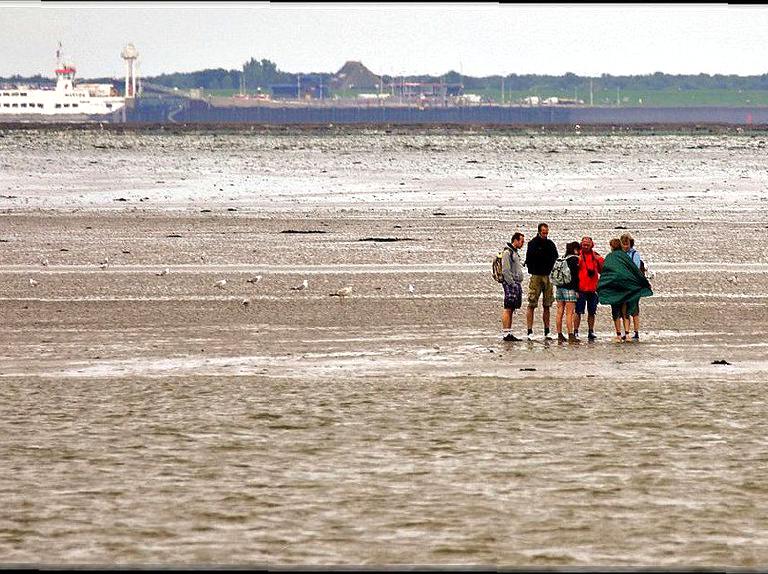
Exploring mudflats brings with it an inherent responsibility to protect these unique ecosystems. Visitors must tread lightly to avoid disturbing the delicate balance of life that exists here. When walking, choose designated pathways if available and avoid stepping on vegetation or burrowing animals. Feeding wildlife can disrupt their natural behaviors and should be avoided. Furthermore, educating others about the significance of mudflats fosters greater understanding and respect for these ecosystems. Participating in local conservation efforts helps ensure these environments continue to flourish for future generations. By being mindful and respectful stewards of nature, individuals can significantly contribute to the well-being of mudflat ecosystems.
Conclusion
Mudflat walking at low tide unveils a vibrant, dynamic world filled with diverse ecosystems crucial to coastal health. By responsibly exploring these areas, individuals can develop a deeper appreciation for their ecological significance and beauty. As we engage with nature, we unlock the potential to advocate for preserving these vital environments. From the unique organisms inhabiting the mud to the critical roles mudflats play in coastal health, there’s so much to learn and protect. So, gear up and get ready to uncover the mesmerizing world of mudflats during your next adventure!
FAQs
The best time to go mudflat walking is during low tide when the mudflats are exposed. Check local tide charts for accurate timings.
2. Can you collect seashells while mudflat walking?
While collecting seashells is often allowed, it’s essential to familiarize yourself with local regulations and sustainable practices to ensure the protection of marine life.
3. Are mudflats safe for children?
Yes, but children should be supervised at all times due to slippery surfaces and potential hazards such as sharp shells or tides coming in unexpectedly.
4. How can mudflats be impacted by climate change?
Climate change can lead to rising sea levels and increased storm intensity, which threaten the stability of mudflat ecosystems and the wildlife that depends on them.
5. What should I do if I encounter wildlife in the mudflats?
If you encounter wildlife, observe from a distance and do not disturb their natural behaviors. Respect their space to minimize stress on the animals.
Organic Farm Visit: Touring an organic farm and learning sustainable practices.
Visiting an organic farm offers a unique opportunity to experience sustainable agricultural practices firsthand. In this article, we’ll explore the benefits of organic farming, what to expect during a farm visit, and the educational insights you can gain regarding sustainable practices. From understanding biodiversity to learning about crop rotation and composting, a trip to an organic farm can inspire both individuals and families to adopt sustainable living principles in their own lives.
Understanding Organic Farming
Organic farming is a holistic approach to agriculture that emphasizes the use of natural processes and materials instead of synthetic inputs. The primary goal is to create an ecological balance that benefits the environment, consumers, and farmers alike. Organic farms often cultivate a diverse range of crops, promoting biodiversity which helps prevent disease and pest outbreaks. Additionally, organic farming practices aim to improve soil health through methods like crop rotations and the application of natural fertilizers, such as compost made from kitchen and garden waste. By avoiding chemical pesticides and fertilizers, organic farming not only nurtures the land but also provides consumers with safer, healthier food options. This system of farming helps educate consumers about the importance of knowing where their food comes from and the impact of farming practices on their health and the environment.
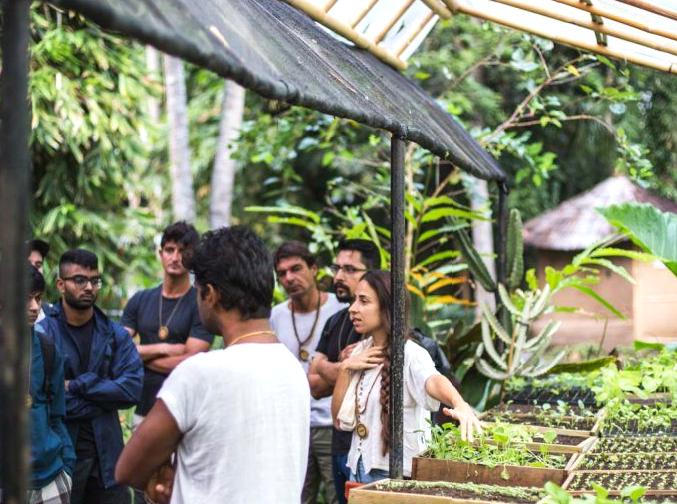
What to Expect During Your Farm Visit
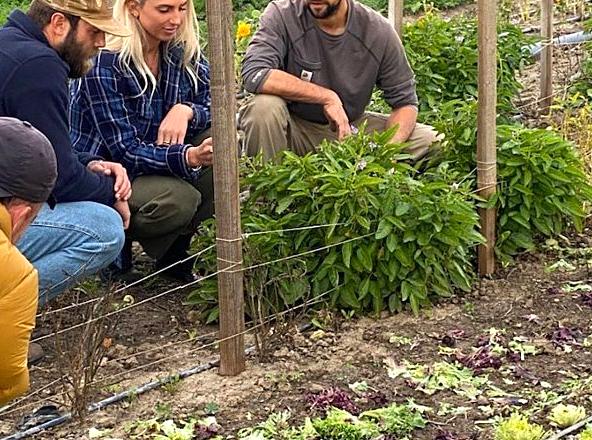
An organic farm visit typically includes a guided tour of the property, where visitors can witness the various farming practices in action. During the tour, you may get to see crops in different stages of growth, learn about biodiversity efforts, and observe beneficial insects that help with pest control. Many farms also have on-site staff who are passionate about sharing their knowledge of sustainable practices, which can enhance the experience significantly. You might find hands-on demonstrations where you can try your hand at planting seeds or harvesting crops. Furthermore, some farms offer tastings of their produce, giving you a direct insight into the flavors of organic fruits and vegetables. This engaging experience not only boosts awareness of organic farming but also fosters a deeper connection between consumers and their food sources.
Learning Sustainable Practices

One of the most enriching aspects of visiting an organic farm is the opportunity to learn about sustainable practices that can be adapted to your own lifestyle. Here are a few key practices that might be covered during your visit:
-
- Crop Rotation: This practice involves changing the type of crops grown in a particular area each season to prevent soil depletion and pest accumulation.
- Composting: Organic farmers often create compost from kitchen scraps and garden waste to enrich the soil naturally, reducing the need for chemical fertilizers.
- Permaculture: Inspired by natural ecosystems, permaculture focuses on creating sustainable agricultural systems that work in harmony with the local environment.
- Water Conservation: Effective irrigation practices and rainwater harvesting can be discussed to show how water resources are managed sustainably.
Incorporating these sustainable techniques into everyday life can help individuals and communities contribute to environmental restoration and food security. By learning from the experts at an organic farm, participants can gain valuable insights that extend beyond the visit, enabling them to make informed choices about their own consumption and gardening practices.
The Benefits of Supporting Organic Farms

Supporting organic farms has multi-faceted benefits, impacting both personal health and the environment. First and foremost, consumers often enjoy cleaner produce, free from harmful pesticides and chemicals that can pose risks to health over time. Additionally, local organic farms typically have shorter supply chains, which means less energy is consumed in transporting goods to consumers. This not only reduces carbon emissions but also supports the local economy, as purchasing directly from farmers helps sustain their livelihoods. Furthermore, organic farming practices are designed to protect and enhance environmental health, leading to better soil quality and preservation of local ecosystems. Finally, by supporting these farms, consumers help promote a more sustainable food system that prioritizes responsible land use and ethical treatment of animals. Engaging with organic farms fosters a shift towards mindful eating and responsible consumerism.
Conclusion
Visiting an organic farm provides invaluable insights into sustainable agricultural practices and encourages more conscious choices regarding food consumption. It is an eye-opening experience that not only educates but also inspires individuals to consider the impact of their food choices on the environment and their health. As we continue to face environmental challenges, understanding and adopting sustainable practices becomes increasingly crucial. An organic farm visit is thus an enriching experience that bridges the gap between consumers and the origins of their food, motivating a movement towards eco-friendliness and sustainability.
FAQs
It’s best to wear comfortable, casual clothes that you don’t mind getting a bit dirty. Closed-toed shoes and a hat are recommended to protect you from the sun.
2. Are organic farm visits suitable for children?
Yes, many organic farms offer family-friendly tours and activities that are educational and engaging for children, helping them learn about where food comes from.
3. Can I buy produce during my farm visit?
Most organic farms have onsite shops or stands where you can purchase fresh produce directly from the farm, ensuring you enjoy the freshest and healthiest options.
4. How can I find organic farms to visit?
You can start by searching on local tourism or agricultural websites. Many regions have directories of organic farms that welcome visitors for tours.
5. What is the difference between organic and conventional farming?
Organic farming avoids synthetic fertilizers and pesticides and focuses on sustainability and biodiversity, whereas conventional farming often relies on these chemicals to enhance crop yields.
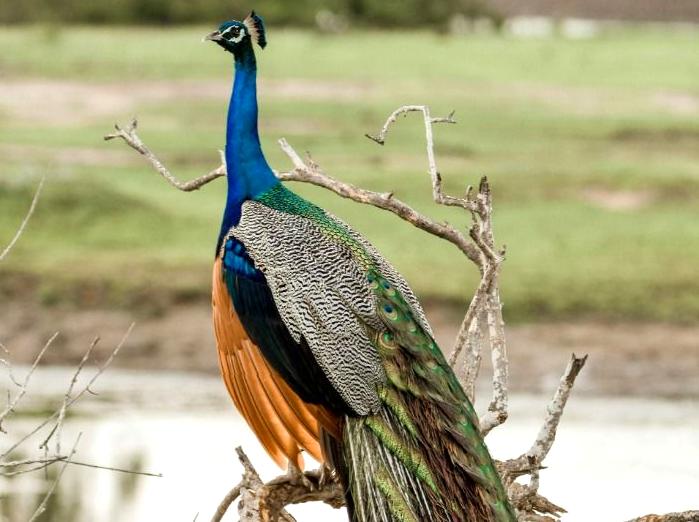
Birdwatching Expeditions: Birdwatching trips to spot rare and exotic birds.
Birdwatching expeditions offer unique opportunities for nature enthusiasts and casual observers alike to spot rare and exotic bird species in their natural habitats. This ever-growing hobby combines adventure and education, attracting individuals who are eager to explore the wonders of avian life. Whether one is seasoned or a beginner, these expeditions promise exciting experiences that go far beyond simply viewing birds. They engage participants in the broader aspects of ecology, biodiversity, and conservation efforts, all while providing a peaceful retreat into the great outdoors.
Understanding Birdwatching Expeditions
Birdwatching expeditions are organized trips designed to facilitate the observation of birds in their natural environment. These excursions vary in length, ranging from day trips to multi-day adventures, often led by expert guides who possess an in-depth understanding of local avifauna. Destinations can include national parks, wildlife reserves, and even remote tropical locales known for their biodiversity. During these expeditions, participants are equipped with binoculars, field guides, and notebooks to document their findings, fostering a deeper connection to the natural world around them. Additionally, these trips are often enriched with educational sessions about bird behavior, migration patterns, and the importance of habitat conservation. Overall, they provide an immersive experience that cultivates a sense of stewardship for our planet’s feathered inhabitants.

Choosing the Right Destination
Selecting the ideal location for a birdwatching expedition can significantly impact the quality of experiences one encounters. Certain regions are recognized as hotspots for rare or exotic bird species, making carefully choosing the destination crucial. Below is a list of notable birdwatching locations:
-
- Amazon Rainforest, South America: Home to thousands of bird species, including the elusive harpy eagle.
- Galápagos Islands, Ecuador: Famous for unique species such as the blue-footed booby and Darwin’s finches.
- Kruger National Park, South Africa: A diversity hotspot featuring rare birds like the African crowned eagle.
- Florida Everglades, USA: Ideal for spotting wading birds, including the endangered roseate spoonbill.
- Bird Islands, Seychelles: Showcases island-endemic species such as the Seychelles magpie-robin.
World-class venues for birdwatching not only boast astonishing wildlife but also often provide a range of amenities such as lodges and guided tours. Understanding the local climate and seasonality is vital too, as these factors can influence migration patterns and bird visibility. Seasoned birdwatchers often plan trips during specific times of the year when the likelihood of spotting elusive species increases, enhancing their overall experience.
Essential Gear for Birdwatching Expeditions
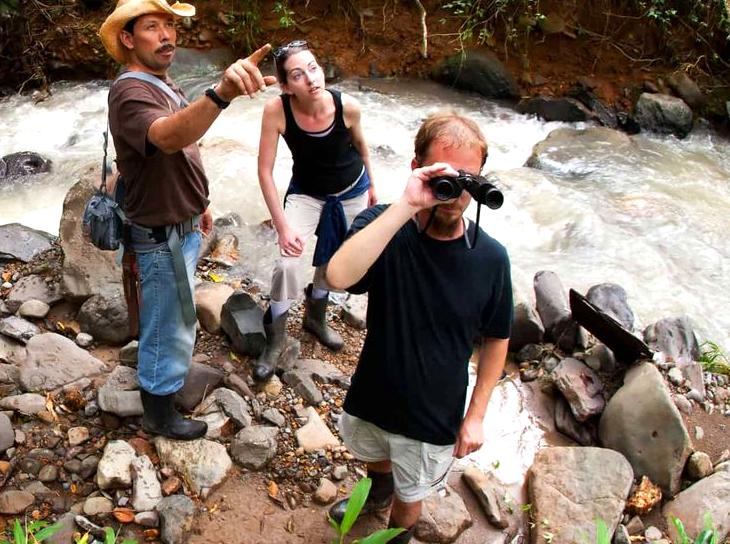
Participating in birdwatching expeditions requires some essential gear to ensure a successful and comfortable adventure. Firstly, a good pair of binoculars is fundamental, allowing birdwatchers to observe species up close without disturbing them. A spotting scope can also be valuable, particularly in vast landscapes where birds are located at a distance. Additionally, carrying a field guide specific to the region enhances identification skills while documenting sightings adds a personal touch to each adventure. Comfortable clothing and sturdy footwear are important for navigating various terrains, as many birdwatching sites may involve hiking. Lastly, a notebook or smartphone app can serve to record observations while also taking notes on behavior and habitat, enriching the overall experience. By equipping oneself with the right tools, one can enjoy the nuances of birdwatching fully.
The Impact of Birdwatching on Conservation

Birdwatching is not just a pastime; it plays a crucial role in conservation efforts worldwide. Every expedition raises awareness of the need to protect bird habitats and biodiversity, encouraging participants to advocate for environmental conservation. Engaging with local communities during these trips often leads to collaborations aimed at preserving ecosystems that are home to rare and endangered species. Tour operators can contribute directly to conservation funds, ensuring that a portion of the proceeds go towards habitat restoration and protection efforts. By promoting responsible birdwatching practices, enthusiasts help mitigate the effects of human activities on bird populations. Ultimately, birdwatching fosters a strong connection between individuals and nature, empowering participants to become advocates for the planet.
Conclusion
In conclusion, birdwatching expeditions provide enriching experiences that connect people with nature while fostering awareness of conservation. These trips combine adventure with education, allowing participants to spot rare and exotic birds up close. By choosing the right destinations and coming prepared with the necessary gear, birdwatchers can enjoy unforgettable moments in the great outdoors while simultaneously contributing to vital conservation efforts. As more people join this engaging hobby, the impact on global awareness and habitat preservation continues to grow, underscoring the importance of our connection to the natural world.
Frequently Asked Questions
The best time for birdwatching often varies by location. Spring and fall are typically ideal, as many birds are migrating during these seasons, making them easier to spot.
Do I need any special skills to go birdwatching?
No special skills are required to start birdwatching. Beginners can learn from guides or fellow enthusiasts and gain skills over time with practice.
Can I go birdwatching on my own?
Yes, many birdwatchers enjoy solo excursions. However, going with experienced guides can enhance the experience, especially in unfamiliar territories.
What types of birds should I expect to see on expeditions?
Expect to see a variety of birds ranging from common species to rare and exotic ones, depending on your location and the time of year.
How does birdwatching contribute to conservation efforts?
Birdwatching raises awareness about the importance of habitat preservation and contributes directly to funding initiatives that support conservation.

Nature Walks on Lizard Island: Taking guided nature walks on Lizard Island.

Taking guided nature walks on Lizard Island is an adventurous way to immerse yourself in the stunning natural beauty and diverse ecosystems of this tropical paradise. Known for its breathtaking landscapes, rich biodiversity, and crystal-clear waters, Lizard Island offers a unique opportunity to explore its environment while delving into the fascinating flora and fauna that inhabit it. A guided nature walk provides an educational experience led by knowledgeable experts, making it accessible for everyone, from seasoned naturists to curious first-timers.
The Unique Ecosystem of Lizard Island
Lizard Island is not just another beautiful beach destination; it is home to a unique ecosystem that boasts a variety of habitats. From sandy beaches and coral reefs to lush forests and rocky outcrops, each area supports an array of wildlife. During guided nature walks, visitors have the chance to observe endemic species, including the elusive Lizard Island skink and a range of bird species. The guides often share fascinating facts about the island’s conservation status, emphasizing the importance of preserving its untouched beauty. Walking through the diverse landscapes, participants gain insights into the delicate balance of the ecosystem, learning how each species contributes to the overall health of the environment.

What to Expect on a Guided Nature Walk
When you join a guided nature walk on Lizard Island, you can expect an engaging experience that combines exploration with education. The walks are typically led by experienced naturalists who are passionate about sharing their knowledge of the island’s ecology. Participants can look forward to a leisurely pace, allowing ample time to take photographs and enjoy the surroundings. The guides often provide informative commentary on the plants, animals, and geology of Lizard Island, offering valuable insights that enhance the adventure.
-
- Participate in enriching discussions about local wildlife.
- Gain understanding of the importance of conservation efforts.
- Observe unique plant life, including ancient cycads.
- Spot diverse bird species and marine life.
- Learn about the island’s history and its significance to indigenous cultures.
Choosing the Right Guided Nature Walk

There are various guided nature walk options available on Lizard Island, catering to different interests and fitness levels. When choosing your walk, consider the duration, distance, and areas covered. Some walks focus on birdwatching, while others are centered around marine life or geological formations. It is advisable to inquire about the experience of the guides and the group size, as a small group can provide a more personalized experience. Many operators offer half-day or full-day trips, so decide what suits your schedule and interests best. Prior to your walk, be sure to wear comfortable footwear, bring water, and apply sunscreen to enjoy the day without worries.
The Physical and Mental Benefits of Nature Walks

Engaging in nature walks on Lizard Island not only reconnects you with the natural world but also provides numerous physical and mental health benefits. The act of walking itself is a great cardiovascular exercise that can improve stamina and flexibility. Additionally, spending time in nature is known to reduce stress, enhance mood, and promote overall mental well-being. The combination of physical activity and the calming influence of Lizard Island’s pristine environment creates a holistic experience that refreshes and rejuvenates the mind and spirit.
Conclusion
Guided nature walks on Lizard Island are a remarkable way to explore this stunning destination while learning about the unique ecosystems that thrive there. From observing endemic wildlife to understanding the importance of conservation efforts, these adventures offer enriching experiences for all nature enthusiasts. With knowledgeable guides leading the way, visitors can immerse themselves in the island’s beauty, ensuring that their connection to nature deepens with each step. Whether you are an avid hiker or simply someone looking to appreciate the outdoors, Lizard Island’s nature walks will leave you with unforgettable memories and newfound knowledge of this ecological gem.
Frequently Asked Questions
The best time for guided nature walks is during the cooler months of May to September when the weather is more pleasant and wildlife is more active.
Do I need to have prior hiking experience to join a nature walk?
No, prior hiking experience is not necessary. The walks are designed for all fitness levels, and guides will adjust the pace to accommodate participants.
What should I bring on a guided nature walk?
It is recommended to bring comfortable hiking shoes, water, sunscreen, insect repellent, and a camera to capture the beautiful surroundings.
Are guided nature walks suitable for children?
Yes, many guided nature walks are family-friendly, and children can participate with adult supervision. The guides often engage children with fun facts and activities.
How long do the guided nature walks typically last?
The duration of guided nature walks can vary, with options ranging from two hours to an entire day, depending on the program and trail selected.
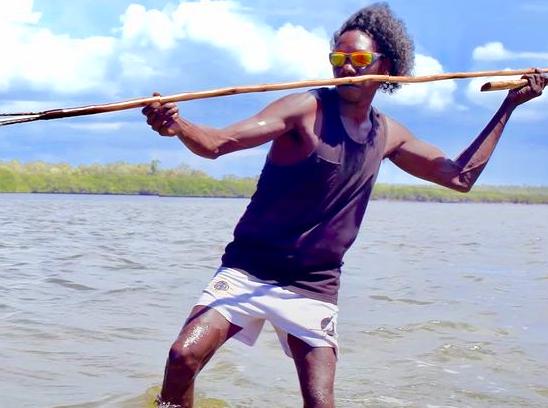
Traditional Aboriginal Fishing Trip: Experiencing traditional fishing methods with Aboriginal guides.
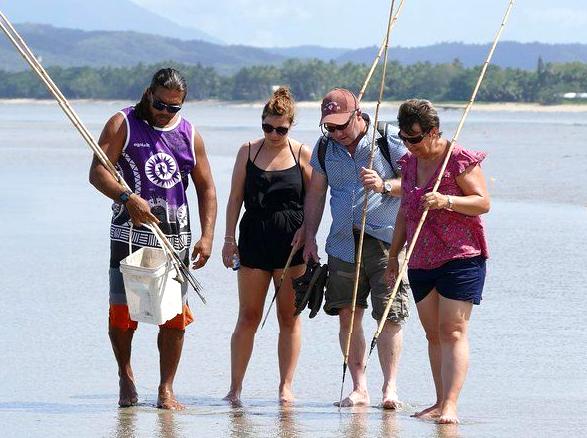
Participating in a traditional Aboriginal fishing trip offers an unparalleled experience that connects you with nature and the deep cultural roots of Aboriginal communities. This guided journey not only teaches you ancient fishing practices but also allows you to appreciate the sustainable methods that have supported Indigenous Australians for generations. Engaging with knowledgeable Aboriginal guides cultivates a profound respect for the land, water, and the medicinal values of various aquatic species. This blend of education and hands-on experience makes for an unforgettable adventure. In this article, we will explore the techniques of Aboriginal fishing, the significance of these traditions, and the rich cultural context that surrounds them.
Understanding Aboriginal Fishing Methods
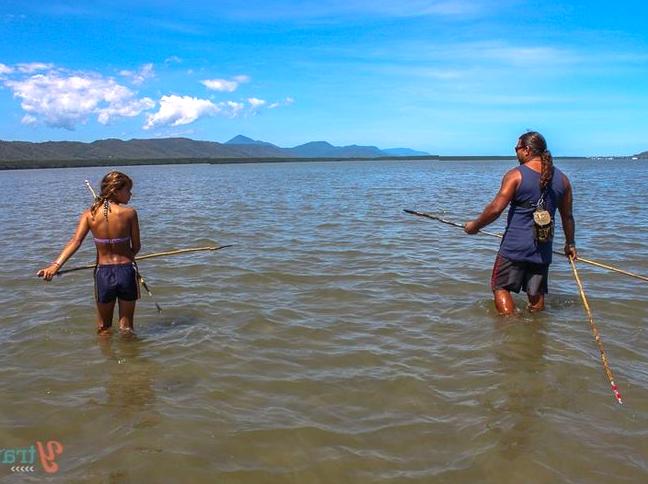
Aboriginal fishing methods are diverse and deeply intertwined with the environment. These methods vary by region, reflecting local ecosystems and available resources. Indigenous Australians have developed techniques that include net fishing, spear fishing, and bait trapping, each tailored to different waters and fish species. For example, in coastal regions, traditional fishers often use handmade nets crafted from local materials like plant fibers. Conversely, inland fishing may utilize traps to catch smaller fish and crustaceans. Through workshops led by Aboriginal guides, participants learn to create these tools and understand their cultural significance.
The relationship between Aboriginal communities and their waterways is not just about sustenance; it’s also about stewardship. Many Indigenous traditions emphasize the importance of maintaining the balance of nature, and this belief is reflected in their low-impact fishing methods. For those looking to immerse themselves fully in this tradition, taking the time to learn about the cultural values and environmental ethic brings a richer understanding to the experience. The narrative of fishing becomes a holistic lesson in ecology and heritage.
The Fishing Experience
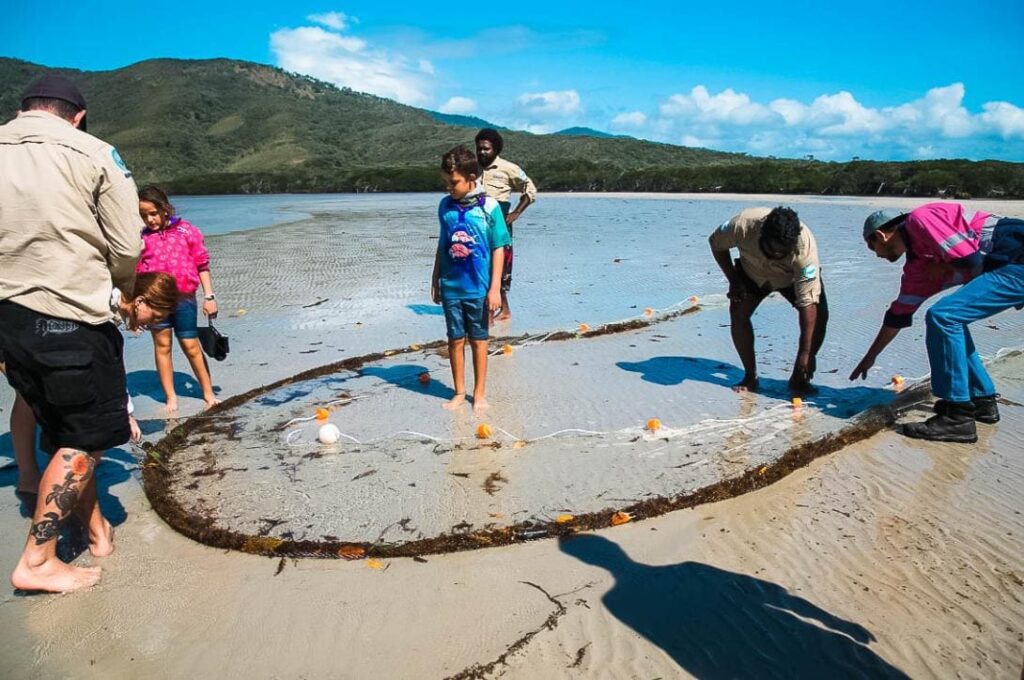
A traditional Aboriginal fishing trip promises memories that will last a lifetime. Participants often begin their journey at dawn when it’s most effective to catch fish. Under the guidance of experienced Aboriginal instructors, you’ll set out on canoes or boats, equipped with traditional tools. As you glide through tranquil waters, the guides share stories and songs that have been passed down through generations, adding a spiritual dimension to the outing. This not only enriches the fishing experience but fosters a sense of community between the guides and participants.
Once at the fishing grounds, participants are taught various techniques, from casting nets to using a spear. The process is not just about catching fish; it’s also about understanding the rhythm of the water and the behavior of fish. Each catch is celebrated, serving as a reminder of the harmony between humans and nature. What’s more, the guides emphasize respect for the species caught—encouraging catch-and-release practices to ensure sustainability. This first-hand knowledge and the connection with the environment is what sets this trip apart from conventional fishing outings.
Key Takeaways from the Trip
Joining a traditional Aboriginal fishing trip is not just an adventure; it’s a learning experience. Here are key takeaways that participants can expect:
-
- Understanding of sustainable fishing practices that honor the land and waterways.
- Insights into the cultural and spiritual significance of fishing in Aboriginal life.
- Skills in traditional fishing techniques passed down through generations.
- A sense of connection with nature and local ecosystems.
- A unique opportunity to engage with Aboriginal culture and community.
Preserving Aboriginal Fishing Traditions

Unfortunately, the traditional fishing practices of Aboriginal communities face threats from overfishing, environmental degradation, and resource mismanagement. However, through initiatives that promote education and community engagement, there is hope for the preservation of these vital traditions. By participating in traditional fishing trips, individuals not only enjoy the experience but also contribute to the ongoing efforts to sustain these practices. Many programs target encouraging younger generations within Aboriginal communities to engage in fishing, thus nurturing cultural heritage and local biodiversity.
Moreover, partnerships with conservation organizations can further strengthen these initiatives. By supporting traditional fishing practices, we advocate for a balanced ecosystem and respect for Indigenous rights. These trips play a role in raising awareness and encouraging respectful dialogue around these issues, proving that tourism can foster community resilience while preserving ancient ways of life.
Conclusion
Experiencing a traditional Aboriginal fishing trip is about far more than just casting a line; it is a profound journey into the heart of Aboriginal culture and the natural world. With the guidance of knowledgeable Aboriginal experts, participants gain insight into sustainable fishing practices, cultural significance, and the intricacies of shared environmental stewardship. These trips create lasting memories while empowering communities to preserve their rich heritage. As we embark on adventures like these, we learn to appreciate the intricate relationships between people, nature, and culture, leaving a positive impact on the world we inhabit.
FAQs
You can expect to learn traditional fishing techniques, engage with Aboriginal culture through storytelling, and gain insights on sustainability and ecology while fishing in a community-focused environment.
2. Do I need any prior fishing experience to join the trip?
No prior fishing experience is required. The guides will provide all the necessary instruction and equipment to help you enjoy the experience, regardless of your skill level.
3. Are the fishing methods sustainable?
Yes, traditional Aboriginal fishing methods emphasize sustainability. These practices are designed to maintain ecological balance and ensure the health of fish populations.
4. Is this trip suitable for all ages?
Yes, traditional fishing trips are family-friendly and can be enjoyed by individuals of all ages. Guides will tailor the experience to suit the needs of participants.
5. How can I contribute to preserving Aboriginal fishing traditions?
By participating in these trips, you support local communities and their efforts to preserve their heritage. Additionally, sharing your experiences can help raise awareness about the importance of sustainable practices.

Seafood Tasting Tour: Tasting the freshest local seafood on a guided tour.
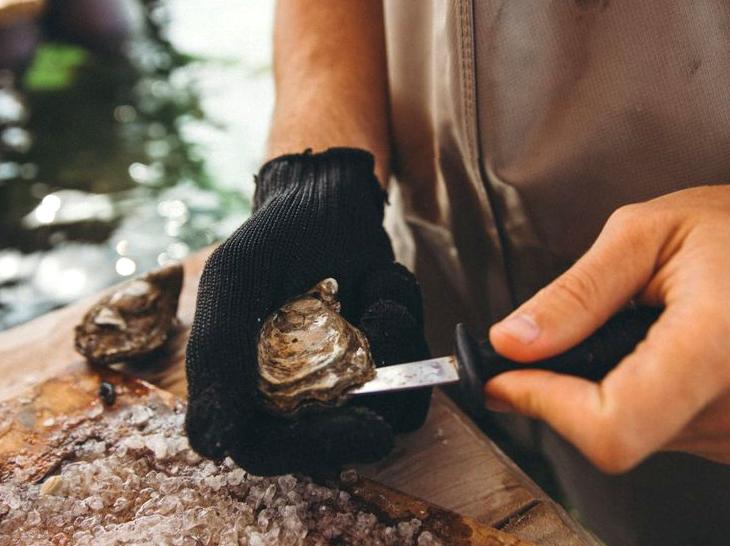
Embarking on a seafood tasting tour is an unforgettable experience that allows food enthusiasts to sample some of the freshest and most delectable seafood in a given region. These guided tours often combine the excitement of local culture with culinary exploration, showcasing the finest catches and preparations unique to the area. Whether you’re a connoisseur of shellfish or a novice eager to expand your palate, a seafood tasting tour offers a remarkable way to immerse yourself in the local gastronomy. Prepare to savor not only the flavors but also the stories and traditions that make each dish a reflection of its environment.
Why Join a Seafood Tasting Tour?
Participating in a seafood tasting tour provides numerous benefits beyond simply indulging in delicious food. For one, these tours are often led by knowledgeable guides who provide insights into the fishing techniques, sourcing practices, and culinary histories that shape the local seafood scene. This educational component can transform a meal into a rich experience, deepening your appreciation for each bite. Moreover, a guided tour typically offers access to exclusive tastings at renowned seafood shacks, waterfront restaurants, and markets, showcasing flavors you may not easily find elsewhere.
A seafood tasting tour also fosters a sense of community among participants. Whether you’re traveling solo or with friends, sharing dishes with fellow seafood lovers can make the experience even more enjoyable. The opportunity to engage in discussions about flavor profiles, cooking methods, and regional practices often leads to new friendships and shared memories. Here are a few additional reasons to consider booking a seafood tasting tour:
-
- Exposure to a variety of seafood dishes.
- Access to local seafood artisans and chefs.
- Support for sustainable fishing practices and local economies.
- The chance to learn about pairing seafood with local wines or cocktails.
- An opportunity to experience the local culture through food.
What to Expect on a Seafood Tasting Tour
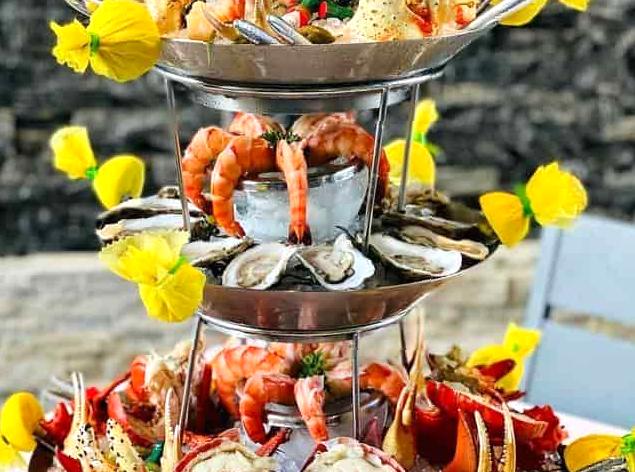
When you embark on a seafood tasting tour, prepare for a multi-sensory adventure that will take you from the tranquil shores to bustling kitchens. Your tour will likely start with a visit to a local fish market, where you can see the bounty of the ocean firsthand. Here, you might have the chance to taste raw oysters or other shellfish right from the source. Knowledgeable guides often explain the differences in species, freshness indicators, and sustainable sourcing, enriching your understanding of what goes into each meal.
As the tour progresses, make way to a selection of local eateries known for their seafood specialties. Each stop typically features signature dishes crafted by local chefs, who revel in showing off their culinary prowess. In addition to traditional seafood offerings, you may experience innovative fusions that reflect the local culture and taste preferences. The experience is not just about the food; it is also about the ambiance, as many venues boast gorgeous beachfront views or highlighting the region’s natural beauty.
Choosing the Right Seafood Tasting Tour

Selecting a seafood tasting tour that suits your preferences can set the tone for your adventure. Begin by considering your location and the types of seafood featured in that area. Some regions are known for specific catches, while others offer a dizzying array of options, such as crab, fish, clams, and shrimp. Research various local tour companies, looking for reviews that highlight the quality of the food, the expertise of the guides, and the overall experience.
Another important factor to consider is the tour format. Some tours may be more like sit-down dinners with multiple courses, while others may involve walking from place to place, tasting small bites along the way. If you’re traveling with family, look for kid-friendly options that cater to all taste buds. And, if you have dietary restrictions, don’t hesitate to inquire if custom arrangements can be made. Below are key considerations to keep in mind as you choose a tour:
- Type of seafood featured.
- Tour duration and distance covered.
- Group size and atmosphere.
- Inclusions such as wine pairings or exclusive tastings.
- Pricing and booking requirements.
The Benefits of Fresh Seafood

One of the most enticing aspects of a seafood tasting tour is the opportunity to enjoy fresh seafood. Consuming fresh seafood offers numerous health benefits, including high levels of omega-3 fatty acids, which are essential for heart health and brain function. Fresh seafood is also a rich source of protein, providing necessary amino acids while being lower in calories compared to red meats. Often cooked with minimal seasoning to highlight its natural flavors, sustainably sourced seafood is not just good for you; it’s also good for the planet.
Another benefit of indulging in fresh seafood is the connection to local fishermen and aquaculture. Many tours partner with sustainable fisheries that prioritize environmental stewardship, ensuring that your dining experience contributes positively to the landscape. By supporting these practices, you’re helping to sustain seafood supply chains that are vital for local economies. Therefore, indulging in fresh seafood during these tours can also mean making a conscientious choice to promote responsible eating.
Conclusion
A seafood tasting tour is a culinary journey that promises tantalizing flavors, rich cultural insights, and an appreciation of sustainable eating practices. From the vibrant markets to the exquisite dining settings, every aspect of the tour amplifies the sensory experience. You come away not just satisfied but enriched with knowledge and memories, making it a must-try for any food lover. So, whether you’re at a bustling coastal city or a quaint fishing village, make sure to dive into the local seafood culture through a guided tasting tour. It’s an adventure that will leave a lasting impression on your palate and your heart.
FAQs
Seafood tasting tours can vary in length, usually ranging from two to four hours, depending on the number of stops and the complexity of the tasting experience.
2. Are seafood tasting tours suitable for individuals with dietary restrictions?
Many tour operators are accommodating and can adjust their offerings for dietary restrictions. It’s best to inform them in advance to ensure a satisfying experience.
3. Do I need to make a reservation for a seafood tasting tour?
Reservations are highly recommended, especially during peak tourist seasons or weekends, as these tours can fill up quickly.
4. What happens if the weather is bad on the day of the tour?
Most tour operators have contingency plans for inclement weather and may offer alternative arrangements or reschedule the tour for safety reasons.
5. Is alcohol included during the seafood tasting tour?
Some tours may include alcohol pairings, while others might offer them as an additional option. Be sure to check with your tour provider for specifics.
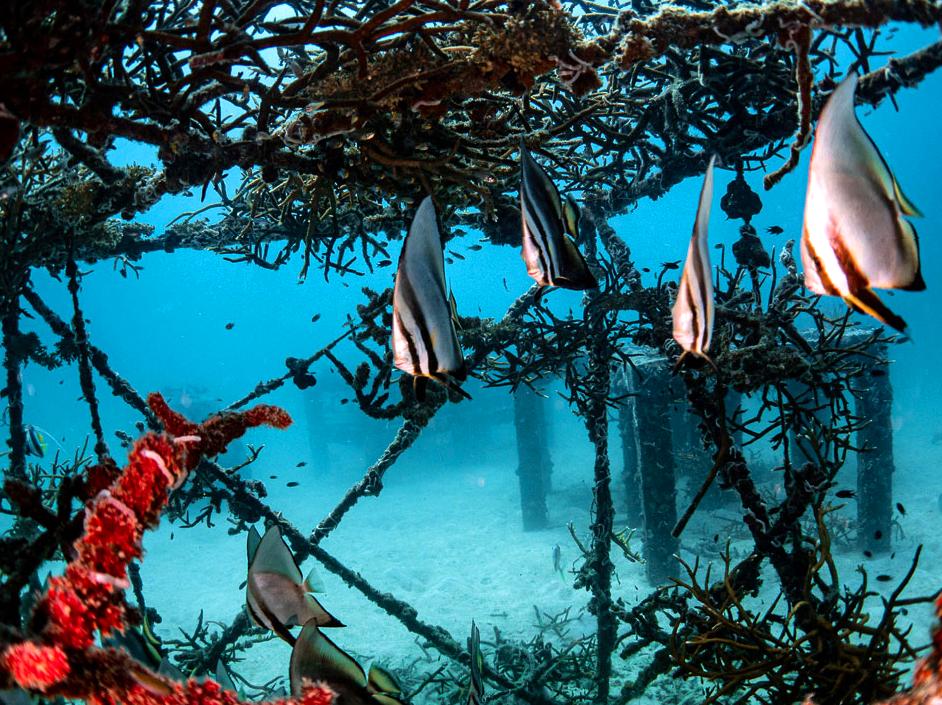
Reef Conservation Workshops: Attending workshops focused on reef conservation.
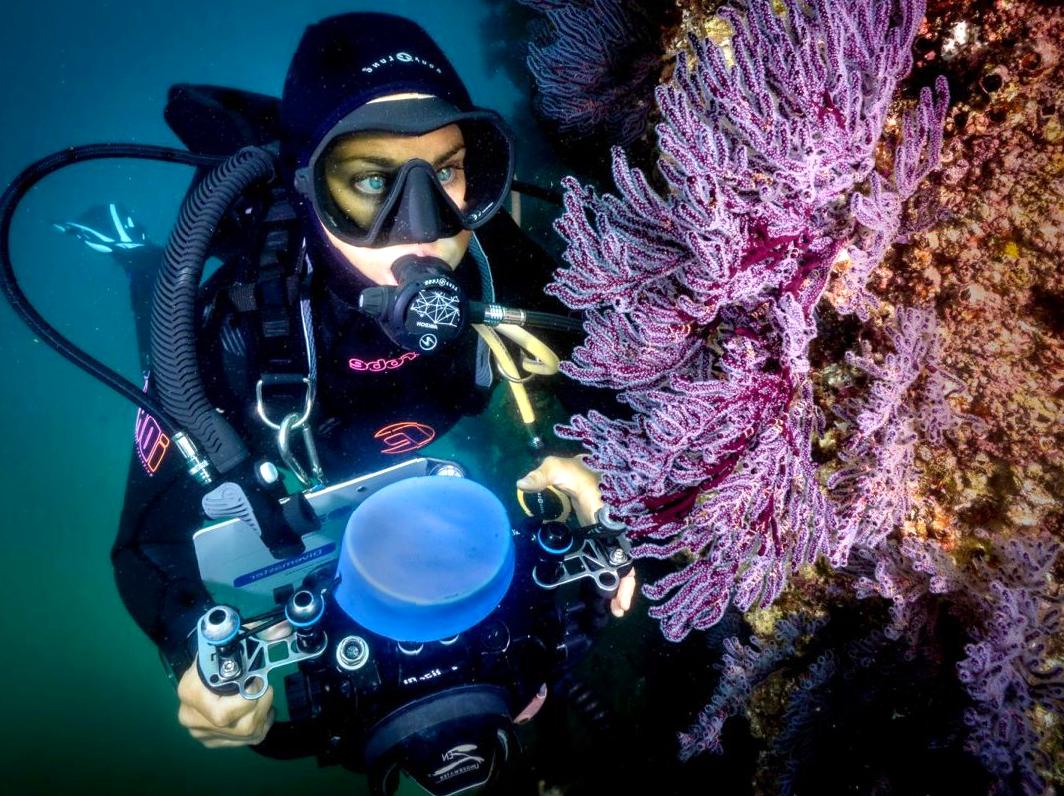
Reef conservation workshops serve as vital hubs for education, awareness, and proactive measures toward preserving our planet’s delicate reef ecosystems. These workshops provide participants with knowledge, tools, and community engagement opportunities to help protect coral reefs, which are under increasing threat from climate change, pollution, and overfishing. By attending such workshops, individuals and communities can play an integral role in the conservation movement, gaining insights into effective strategies for advocacy and action. This article will explore the significance of these workshops, what to expect, key topics covered, and how you can benefit from participating in them.
The Importance of Coral Reefs
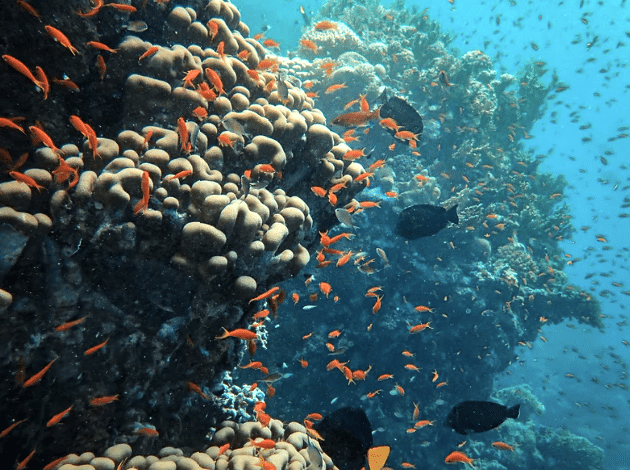
Coral reefs are not just breathtaking underwater landscapes; they are essential ecosystems supporting a vast array of marine life. Covering less than 1% of the Earth’s surface, coral reefs provide habitat for approximately 25% of all marine species. They also serve critical functions, such as protecting coastlines from erosion, fostering fisheries that sustain millions of livelihoods, and contributing to tourism and recreation. Despite their importance, coral reefs are among the most threatened ecosystems in the world, with an estimated 50% of coral cover lost globally in the last thirty years. Awareness and education, such as those fostered in reef conservation workshops, are crucial for reversing this alarming trend.
What to Expect in a Reef Conservation Workshop
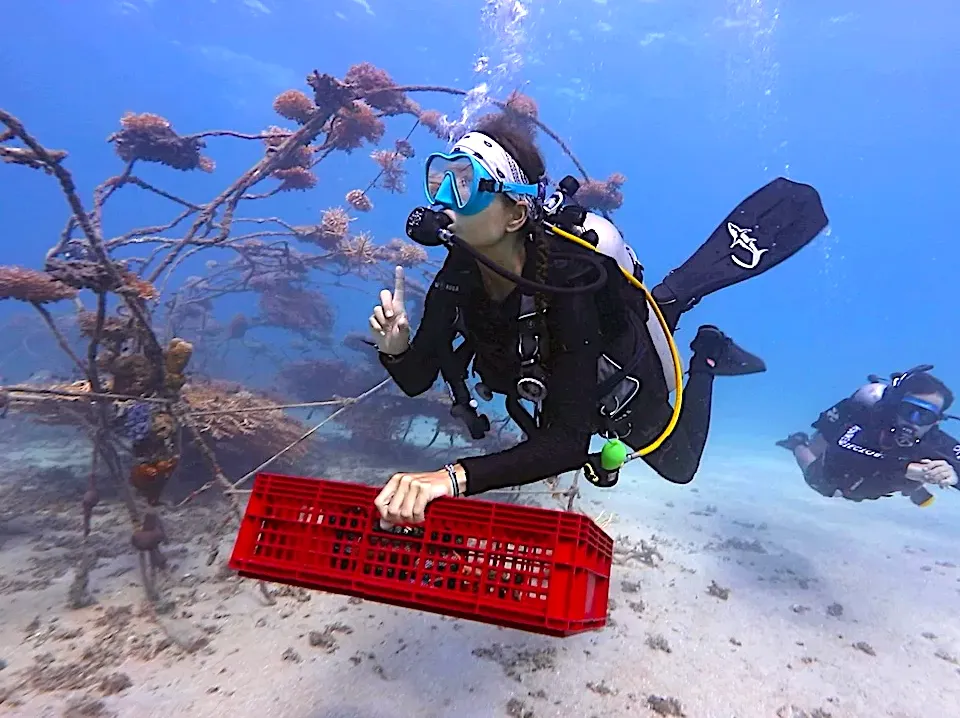
When you attend a reef conservation workshop, you can expect an engaging blend of educational sessions, hands-on activities, and collaborative projects. Workshops often feature expert speakers specializing in marine biology, conservation policy, and environmental impact, allowing participants to gain insights from leading professionals in the field. There may also be interactive sessions where attendees can take part in practical conservation activities, such as reef monitoring, data collection, or even marine debris cleanup. Networking opportunities are abundant, providing attendees the chance to connect with like-minded individuals and organizations passionate about reef conservation. The goal of these workshops is not only to educate participants but also to inspire collective action for sustaining coral ecosystems.
Key Topics Covered in Workshops

Reef conservation workshops typically cover a wide variety of topics, ensuring that all aspects of reef protection are addressed. Here are some key themes that participants can expect:
-
- Coral Biology: Understanding the biology of corals, their life cycles, and the ecological importance of coral species.
- Threats to Reefs: Identifying major threats to coral reefs, including climate change, ocean acidification, pollution, and overfishing.
- Conservation Strategies: Learning about actionable conservation strategies, such as marine protected areas (MPAs), sustainable fishing, and habitat restoration.
- Community Engagement: Exploring the role of local communities in reef conservation and ways to increase public awareness.
- Research and Monitoring: Gaining insights into current research efforts and how to participate in reef monitoring initiatives.
Benefits of Attending Reef Conservation Workshops
Participating in reef conservation workshops yields a plethora of benefits, both personally and communally. Firstly, attendees gain comprehensive knowledge that empowers them to take informed actions to protect coral ecosystems. Furthermore, these workshops foster a sense of community among individuals who share a passion for marine conservation, encouraging collaboration on future projects. Another significant benefit is the opportunity to learn from experts and leverage their experience to enhance local conservation efforts. It promotes the idea that every participant can be an advocate for change, regardless of their background. Lastly, these workshops sometimes provide training that leads to certification, increasing your credibility as a conservation advocate.
Conclusion
Reef conservation workshops are essential educational platforms that equip individuals with the knowledge and practical skills they need to contribute actively to marine conservation. With coral reefs facing unprecedented challenges, attending these workshops can foster greater awareness and inspire collective actions essential for their protection. Engaging in such initiatives not only nurtures your passion for marine ecosystems but also connects you with a community dedicated to making a tangible difference in environmental sustainability. By participating in these workshops, you’re not just learning — you’re becoming an integral part of the solution to the ongoing threats faced by our beloved coral reefs.
Frequently Asked Questions (FAQs)
Reef conservation workshops are generally open to everyone, including students, professionals, and community members interested in marine conservation. No specific prior knowledge is required.
2. How long do these workshops typically last?
Workshops can vary widely in duration, ranging from one-day sessions to multi-day events. It often depends on the program structure and objectives of the specific workshop.
3. Are there any costs associated with attending a workshop?
While some workshops are free, others may require a registration fee to cover materials and resources. It is best to check the specific workshop details for information on costs.
4. Can I receive certification from these workshops?
Many workshops offer certificates of participation or completion, especially those that focus on specific skills or training in reef conservation practices.
5. How can I find workshops in my area?
You can find local reef conservation workshops by searching online, checking with local marine organizations, or visiting conservation-focused websites that list upcoming events.

Custom Jewelry Making with Beach Finds: Creating custom jewelry from beach treasures.

Creating custom jewelry from beach treasures is a unique and personal way to capture the essence of your beach experiences while embracing your creativity. By utilizing items such as seashells, sea glass, and driftwood, you can craft stunning pieces that reflect your love for the ocean. This article delves into the process of designing and making jewelry from beach finds, along with tips and techniques to enhance your creations.
Gathering Your Beach Treasures
The first step in creating custom jewelry from beach finds is gathering an assortment of materials that resonate with you. This can include seashells, sand dollars, sea glass, pebbles, or even small pieces of driftwood. When collecting your treasures, keep an eye out for unique shapes, colors, and textures that capture your attention. Be sure to choose items that are durable, as some delicate finds might not hold their integrity when turned into jewelry.
Consider using a small container or bag to keep your treasures safe while you explore the beach. It’s also helpful to note the location of your finds, as different beaches might offer unique characteristics or types of materials. Once you’ve gathered a diverse collection, you can begin brainstorming how to incorporate these elements into your designs.

Remember that creativity has no limits, and you can experiment with various combinations of materials. Some finds from the beach may inspire one-of-a-kind themes or styles for your jewelry pieces. Plus, each jewel made from beach treasures tells a story, connecting you to that particular moment or experience by the shore.
Designing Your Custom Jewelry
After gathering your beach finds, it’s time to design your custom jewelry pieces. Think about the type of jewelry you want to create. Options include necklaces, bracelets, earrings, or even keychains. Sketching your designs can be a helpful way to visualize your final products before you begin assembling them. This creative process feeds into the uniqueness of your jewelry, emphasizing the connection to the beach and your personal style.
You can use various techniques to attach your finds to jewelry bases. Incorporating wire wrapping can create beautiful designs that showcase the natural beauty of your materials. Alternatively, consider using jewelry findings, such as jump rings, earring hooks, or clasps, to make your pieces functional. Be sure to choose the appropriate materials based on the weight and fragility of your beach finds to ensure durability.
When designing, keep in mind the color palette of your treasures. Mixing and matching different colors can create striking contrasts or harmonious blends, depending on your desired aesthetic. Lastly, personalize your designs by adding beads or charms that complement your beach finds, allowing you to further enhance the storytelling aspect of your jewelry.

Assembling Your Handmade Jewelry
Once you have your designs mapped out, it’s time to start assembling your handmade jewelry. Gather your tools and materials—such as pliers, wire, and threads—and prepare your workspace to ensure a smooth crafting experience. Start with the larger elements of your design, carefully attaching each piece to the base using your chosen techniques.
When attaching beach finds like seashells or sea glass, consider how they fit together aesthetically. Balance and symmetry play significant roles in creating visually appealing pieces. Use strong adhesives or appropriate jewelry fasteners to ensure that each element is securely in place. If you’re working with delicate materials, be gentle to avoid breaking them during the assembly process.
Once your central pieces are attached, add any additional accents and complementary components to complete your designs. This phase allows for further creativity, where you can make adjustments or even scrap parts of the design that don’t feel right. Keep an eye on overall coherence and appeal, which can make a significant difference in the final appearance of your custom jewelry.

Securing Your Beach Jewelry: Care and Maintenance
Custome beach jewelry requires proper care and maintenance to ensure its longevity. Here are some tips to keep your treasures in top condition:
- Avoid exposing your jewelry to harsh chemicals or high humidity, as these can damage natural materials.
- Store your pieces in a soft pouch or jewelry box to prevent scratches and tangling.
- Clean your items gently with a soft cloth, and avoid abrasive cleaners that could harm your beach finds.
- Periodically check for loose components, fixing or replacing them as necessary to maintain integrity.
Conclusion
Creating custom jewelry from beach treasures is not only a rewarding craft but also a meaningful way to preserve memories from your beach experiences. Whether you opt for a simple necklace or an elaborate set of earrings, each piece reflects your individuality and love for nature. Take the time to gather your materials thoughtfully, design with intention, and assemble your jewelry with care. With a little creativity and some beach finds, you can wear a piece of the ocean wherever you go.
FAQs
The best materials include seashells, sea glass, driftwood, and stones. These items are not only visually appealing but also have a story connected to the beach.
2. Can I use found items from any beach?
Yes, you can use found items from any beach, but it’s important to respect local regulations regarding collecting beach materials. Always adhere to environmental guidelines to protect wildlife and ecosystems.
3. What tools do I need for making beach jewelry?
Essential tools include pliers, wire, pliers, and any additional findings like earring hooks, clasps, and jewelry adhesives. Consider having a dedicated workspace to make the crafting process easier.
4. How can I ensure my jewelry is durable?
To enhance durability, make sure to use strong adhesives and appropriate fasteners. Be mindful of the fragility of your materials and choose the right assembly techniques based on their nature.
5. Is it difficult to make custom beach jewelry?
Creating custom beach jewelry can vary in difficulty, but with practice and patience, most beginners can craft beautiful pieces. Start simple, learn the techniques, and gradually challenge yourself with more intricate designs.
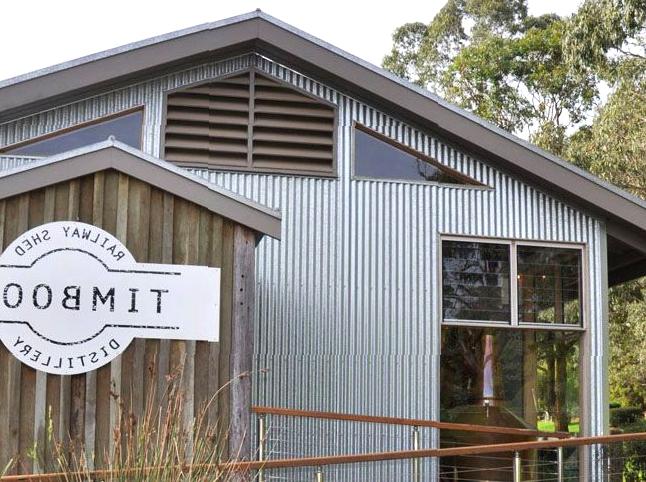
Tour the Timboon Railway Shed Distillery: Whisky and Distillery Tour
If you are a whisky lover or just interested in how it is made, then the Tour the Timboon Railway Shed Distillery is perfect for you. This distillery not only produces great spirits but also takes visitors through its rich history and heritage against a beautiful backdrop. The tour shows all the steps involved in making whisky from distilling it to having the final taste. While walking around these old buildings, one gets to appreciate that there is an art as well as science behind this drink. Additionally, being made from local ingredients by skilled hands makes this place even more special within the region. In this article we will look at; the history behind it, what happens during tours, what should be expected during tastings and tips on planning your visit.

The History of Timboon Railway Shed Distillery
Origins of The Distillery
Timboon Railway Shed Distillery has its roots in local culture and craftmanship which gives it a unique touch. It was set up in 2006 inside what used to be a busy railway shed thus recognizing Timboon’s historical importance as a railway town. The founders were passionate about creating handcrafted spirits and they did so with love for their community. Whisky production was chosen as a way of bringing back agriculture which had almost died out in this area. Traditional methods have always been employed here but mixed with new ideas so that now it stands among other craft spirit establishments worldwide. Having been connected with trains before serves as an emotional link between present visitors and past generations who lived along railways.
Evolution of The Distillery
Over time since establishment, Timboon Railway Shed Distillery has gone through various stages showing growth and dynamism too. Initially gin was their main focus until later when they decided to start making whisky which greatly contributed towards building its reputation. The company became popular for being artistic in their approach as well as ensuring high standards which resonated with lovers of fine spirits. Limited editions and those aged in barrels were introduced over the years so that each has a different taste profile from others. Local farmers have also played a part by supplying ingredients thus enhancing farm-to-table concept within the region. Today it is known far and wide as people come from different parts just to visit this place.
The Whisky Tour Experience
What To Expect
Touring Timboon Railway Shed Distillery is an eye opener because you get to see how whisky is made right in front of your eyes. Upon arrival, one can feel warmth all around brought about by these spirits being produced here hence creating an atmosphere that prepares them for what lies ahead knowledge wise. Normally, there is a short introduction then visitors are taken through production area where distillation equipment and oak barrels among other things are displayed. They offer various types of drinks including award winning whiskies which have different flavors showing how they were made skillfully. Informative guides share interesting stories which add value to the whole experience by giving background information about the establishment.

Guided Tour Details
A guided tour around any given distillery takes approximately one hour so as not to bore people but still educate them enough on what happens during whisky making process while keeping it fun too.
In addition, the tour’s focus on sustainable practices and local sourcing demonstrates the distillery’s commitment to environmental responsibility. At the end of the tour, guests will participate in a whisky tasting session where they can try different expressions and appreciate their unique flavors. Such hands-on experiences create memories that last a lifetime for everyone involved, which is why this tour is one of the highlights of any trip to Timboon.
Whisky Tasting: A Delicate Experience
Tasting Sessions Overview
Whisky tasting at Timboon Railway Shed Distillery is not just about drinking spirits; it is a multi-sensory celebration of taste and craft. During these sessions, visitors will learn how to differentiate between various whisky styles – from peaty and robust to smooth and fruity. A significant part of this process involves acquiring knowledge on how to evaluate whisky by its aroma, appearance, body, and finish. This educational element enables people to develop their own tasting abilities so that they become more discerning lovers of whisky. The establishment prides itself as being a place where beginners can learn alongside experts who share their love for fine liquors.
One thing that sets apart this experience from others like it is its use of locally sourced ingredients which are incorporated into every aspect including food pairings.
Pairing Whisky with Local Delicacies

The art of pairing whisky with food finds full expression at Timboon Railway Shed Distillery through some delightful regional specialties that complement its range of spirits perfectly well. Guests are encouraged to experiment with combinations that bring out different aspects or layers within each drink thereby creating an all-round sensory experience when sampling them together side by side. Some suggested matches include:
- Smoked Salmon & Peated Whisky – The smokiness in fish brings out bold flavors found in whiskies.
- Cheese Board with a Creamy Whisky – Creamy cheeses go hand in glove with smoother, sweeter whiskies.
- Dark Chocolate with Sherried Whisky – The deep notes of dark chocolate are mirrored by rich complexity found within sherried whisky.
- Local Charcuterie with Spicy Whisky – Spicy notes of certain types of whiskey are enhanced when paired alongside charcuterie delights.
By showcasing how well their craft spirits blend with local produce, the distillery helps visitors appreciate both more. Including these matches as part of the whisky tasting experience takes people on a memorable culinary journey through Timboon.
Exploring the Distillery’s Unique Features

Historic Machinery and Equipment
The Timboon Railway Shed Distillery boasts an impressive array of historic machinery and equipment which forms an integral part of its identity. This establishment employs traditional as well as modern tools that reflect its commitment towards ensuring high standards during production. Besides being crucial for creating silky smooth liquor, copper pot stills also contribute greatly to this facility’s distinctive character. Tourists can marvel at various pieces of apparatus some of which have undergone restoration work aimed at preserving distilling craftsmanship heritage. Such linkage between past achievements and present realities heightens visitor engagement while underscoring heritage significance within contemporary whiskey making methods adopted by such establishments.
The Sensory Experience
The atmosphere surrounding Timboon Railway Shed Distillery is equally important as any other factor contributing to its success story; situated amidst scenic beauty spots, natural fermentation processes take place here resulting into different taste profiles altogether. Ingredients used benefit from fertile soils coupled with clean waters found within this region due to their richness thereby enhancing overall quality.
The sensory experience includes not only seeing shiny copper stills and oak barrels but also smelling malted barley and fresh spices. Every part of the distillery encourages a deep engagement with whisky itself, allowing visitors to connect with the product on many levels. As an emphasis on local pride and community ties, the distillery acts as a refuge for those seeking an authentic Australian whisky experience.
Planning Your Visit
Location and Accessibility
The Timboon Railway Shed Distillery is easy enough to find. It is located in the Great Ocean Road region which is at the center of Victoria’s tourism industry so it can be reached by car or public transport without any difficulty. There is ample parking space available for visitors who are driving themselves around while touring this area. The distillery is conveniently situated near other tourist attractions making it an ideal stopover point for people who are traveling through this part of Australia on vacation or business trips etcetera. For those using public transportation systems such as buses; there are bus services that connect Timboon with other towns within its vicinity as well as regional centers like Geelong etcetera so you should check out these schedules when planning your trip.
Booking Your Tour
To avoid disappointment, it is highly advisable that you book your tour well in advance because they tend to fill up quickly especially during weekends and holiday seasons when most people have time off work or school etcetera. You can make reservations through their official website or contact customer service directly if need be. Depending on what time of year it is, there might be special events happening at the distillery or themed tastings being offered so keep an eye out for these opportunities by checking their calendar from time to time etcetera. Booking ahead ensures that one does not miss out on such a great experience which could turn out to be one of the highlights of your trip. Distillery events are usually popular times because people get to learn more about whisky making while having fun at the same time.
Conclusion
In conclusion, Timboon Railway Shed Distillery is a place where you can go on an amazing journey into the world of whisky and not only taste some great spirits but also learn about their history. This distillery stands out from others due to its heritage value as well as community involvement in terms of production methods used which are mostly artisanal based etcetera. It offers interesting tours, delicious tastings and enlightening experiences that will leave any whiskey lover or curious traveler wanting more. Whether it’s learning how they make these complex drinks or just enjoying them; there is no doubt that visiting this distillery should be part of every person’s bucket list when it comes to things like these.
FAQs
- What is the best time to visit Timboon Railway Shed Distillery?
Answer: The best time to visit would be during winter months when whisky crafting is at its peak so check for special events or peak seasons. - Do I need to book in advance for a tour?
Answer: Yes, it is recommended that you book your tour ahead especially during peak times so as not to miss out on anything. - Is there an age restriction for the whisky tasting?
Answer: Yes, visitors must be 18 years old or above in order to participate in any whisky tasting activities and may be required to show valid ID. - Are there non-alcoholic options available during the tour?
Answer: Yes, the distillery does offer non-alcoholic options for those who do not wish to consume alcohol and they can cater for such needs. - Can I purchase whisky directly from the distillery?
Answer: Yes you can! There is a shop at the distillery where their whiskies are sold alongside other locally produced items too.