Go Mountain Biking in Forrest: Cycling Adventure
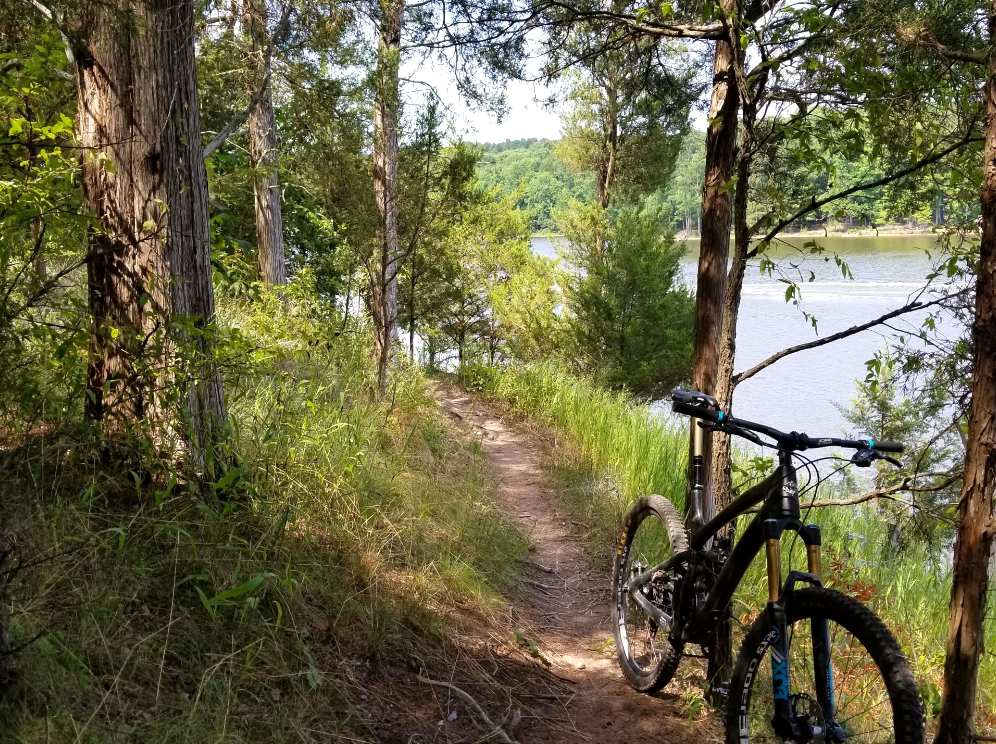
Are you ready to be thrilled by adventure while being surrounded by nature? Mountain biking in a forest setting is an exciting way of combining the two. Woods have different terrains that can suit any level of skill for riders. You get to explore scenic routes, take on challenging paths and breathe in fresh air as you work out. Forest trails can be a fulfilling experience whether you are a beginner or an experienced cyclist. So let us get excited and dive into what mountain biking in forests has to offer, go Mountain Biking in Forrest!
Preparing for Your Mountain Biking Adventure
Choosing the Right Bike
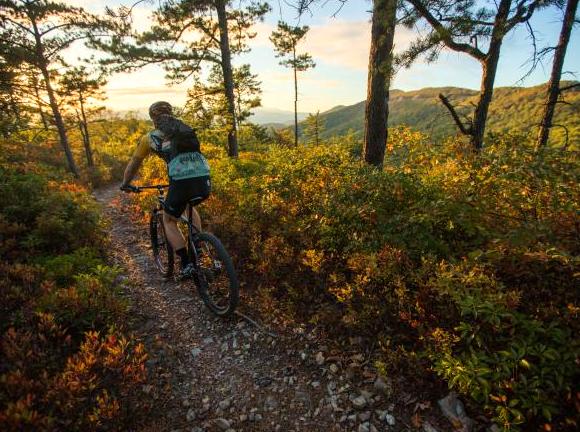
The most important thing when preparing for your adventure is choosing the right mountain bike. There are different types of bikes designed for various terrains and styles of riding. For example, hardtail bikes are good for cross-country riding while full-suspension bikes provide more stability on rough trails. Some factors to consider when selecting a bike include your skill level, type of terrain you will be riding through and personal preference among others. A good bike will make your overall experience better and more enjoyable so always test ride few options before making final decision for comfortability and performance.
Essential Gear and Safety Equipment
Prior to embarking on your mountain biking journey it is essential that you equip yourself with necessary gear as well as safety equipment. First things first, wearing helmet is non-negotiable when it comes to safety measures taken during this activity. Additionally, protective gears such as knee pads or elbow guards can offer extra protection against falls especially if one falls off their bike while riding downhill at high speed over rocky terrain where there might be sharp edges sticking out from rocks which could cause serious injuries if they hit unprotected parts like knees or elbows etcetera . Carrying small repair kit comprising tire levers, pump and multi-tool may save life out there on trails. Finally, consider wearing moisture-wicking clothes to keep dry and comfortable especially during long rides where one may sweat lot. Being prepared ensures safe and enjoyable experience while exploring wonders of forest trails.
The Best Forests for Mountain Biking
Top Locations Around the World
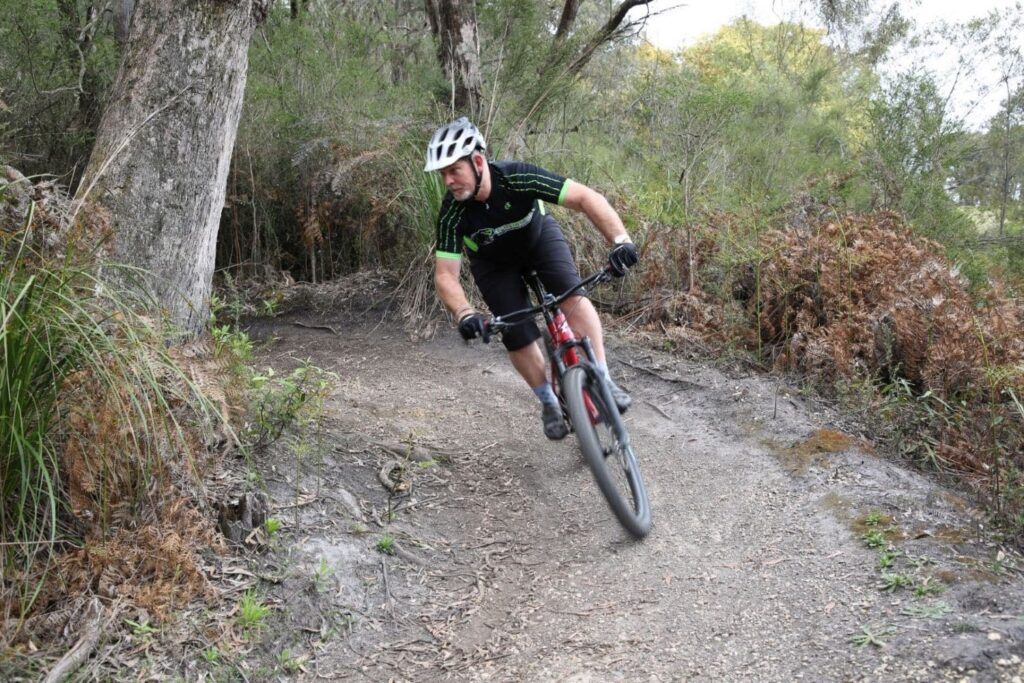
There are many forests around world that invite people who love riding bikes in mountains through their diverse trails systems. Some of these famous destinations include:
-
- Whistler Mountain Bike Park – Canada: Known for having lots of trails which offer riders breathtaking views as they ride along them.
- Moab – Utah, USA: This place is famous because it has unique rock formations plus there also exist challenging tracks suitable for experienced riders.
- Forest of Dean – England: It is calm here with different routes catering for all levels of skills.
- La Fenasosa – Spain: Provides beautiful sceneries together with mix technical trails .
- Canberra – Australia: There are several bike friendly forests in this city where one can have great day out on his or her bicycle.
Hidden Gems in Your Area
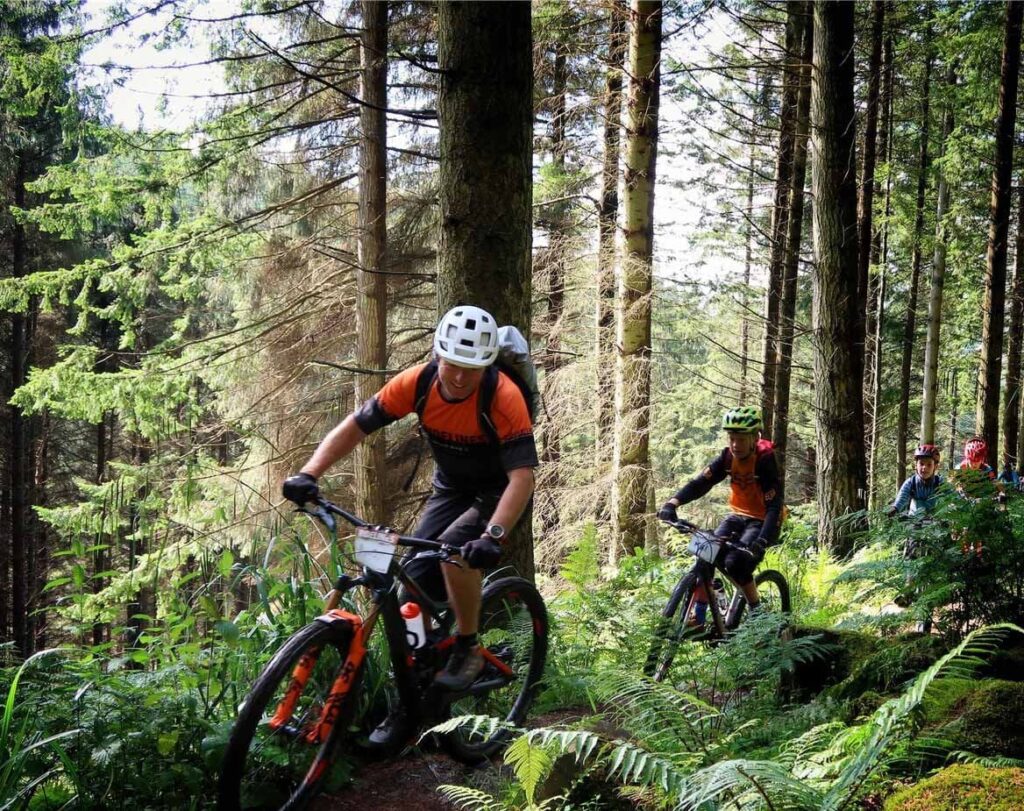
If you want more local adventures then finding unknown paths could give amazing biking experiences. Connecting with local biking communities or using online platforms like Trailforks will help you discover hidden gems near your location. Often times going through local parks and nature reserves leads to finding beautiful less crowded routes. Riding such trails not only improves your biking experience but also contributes towards recreational efforts within locality . Getting involved with cycling community equips individual with information about upcoming events and trail conditions thus making each ride more satisfying.
| Type of Bike | Best For | Key Features |
|---|---|---|
| Hardtail | Cross-country riding | Lightweight, efficient on smooth trails |
| Full-suspension | Technical trails | Front and rear suspension for stability |
| Fat bikes | Sand and snow | Wider tires for better grip |
| Trail bikes | All-around use | Versatile design for different terrains |
Understanding Trail Etiquette and Safety Measures
Rights and Responsibilities of Bikers
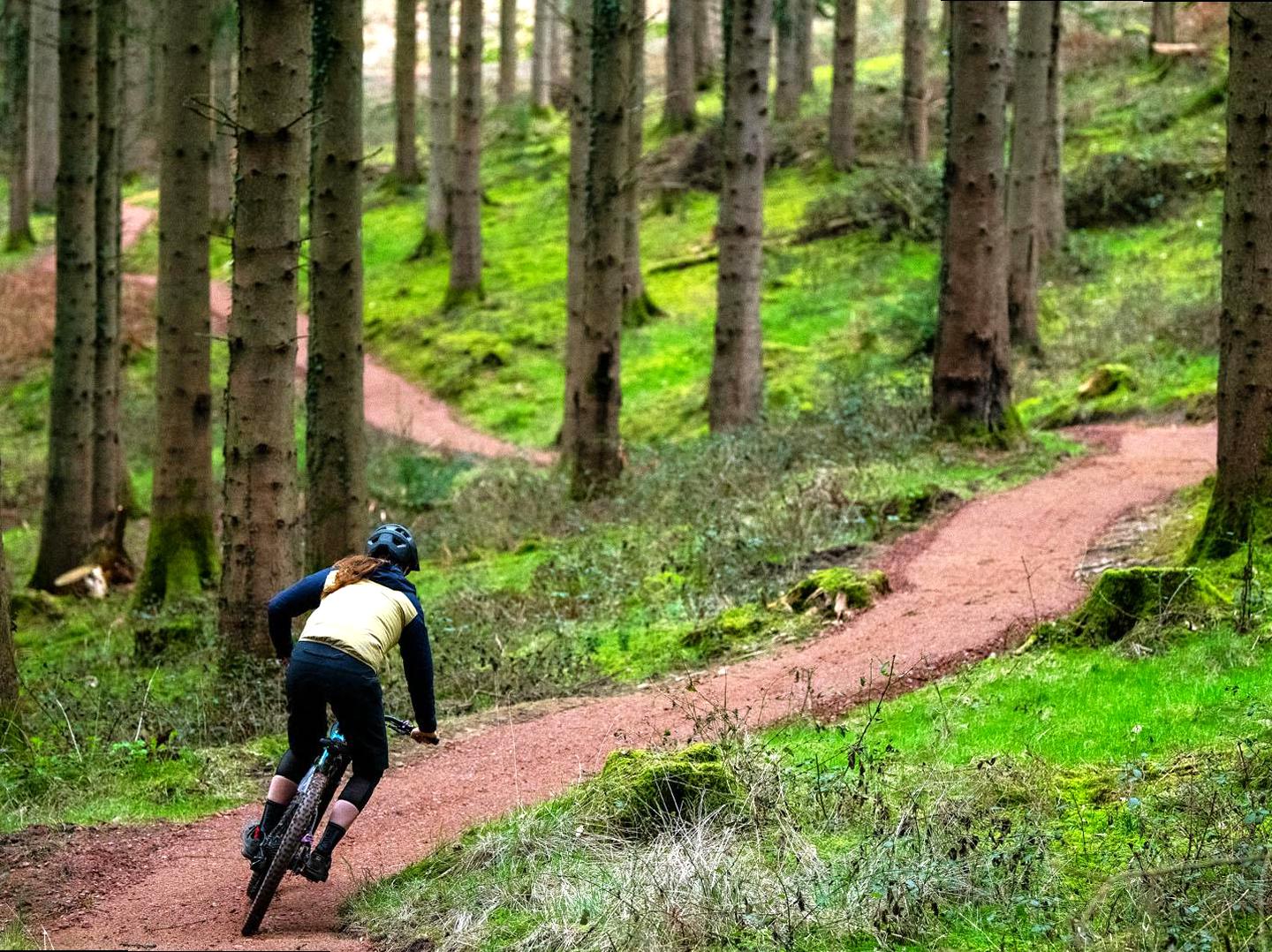
Mountain bikers share trails with hikers, wildlife, and other outdoor enthusiasts, making it vital to practice proper trail etiquette. Respecting trail markings and directional signs is important for everyone’s safety. When encountering hikers, it is polite to yield the trail and announce your presence as you pass. Additionally, avoid riding on muddy trails to prevent erosion and protect the natural environment. Being aware of your surroundings also helps safeguard habitats for wildlife. Always adopt the “leave no trace” approach so that trails remain pristine for future generations.
Safety Tips for a Smooth Ride
To have an enjoyable mountain biking experience, it is crucial to follow safety measures. Drinking enough water and eating snacks during your ride can greatly improve your stamina. Also, let someone know about your biking plan and when you expect to be back especially if you are riding alone as this enhances safety. While out on the trails, be mindful of changing weather conditions which may affect the terrain. Finally, acquaint yourself with basic bike repair skills such as fixing a flat tire which can save a lot of trouble during your adventure. These tips will help you be more prepared for any situation that may arise during your ride.
Enhancing Your Mountain Biking Experience
Techniques for Improving Your Skills
As one embarks on their mountain biking journey; improving their skills can make all the difference in their experience. For beginners, it is important to focus on mastering basic skills such as cornering and braking which can greatly enhance the quality of your ride. More advanced riders can benefit from learning techniques like jumping and navigating obstacles. Engaging in strength training exercises as well as flexibility workouts can also contribute towards better performance on the bike. Taking lessons from experienced riders or joining biking clinics can further speed up your progress. Having a mindset of always wanting to get better will ensure that each ride is enjoyed to its maximum potential.
Capturing the Adventure
Documenting one’s mountain biking journey not only helps preserve memories but also enables them share with others what they went through. Learning how to take great photos while riding can add an artistic touch to any adventure; thus making it more memorable. It might be worth considering carrying around a lightweight camera or using a smartphone with a tough case for quick shots. Additionally, sharing stories and pictures on social media platforms could inspire other people into exploring the beauty of forest mountain biking too. Joining online biking communities may provide an avenue where different techniques, tips and experiences are shared among members. Always remember that every trip is unique and capturing those moments adds onto the fun of cycling through nature.
Conclusion
Mountain biking in the forest is an exhilarating outdoor activity that allows you to connect with nature while getting fit at the same time. With proper preparation and an adventurous spirit, there are many different types of terrains waiting for exploration within forests. Safety should always come first when riding trails so it’s important to know trail etiquette rules as well as improve skill levels which will make rides more enjoyable too! Whether alone or with friends; nothing beats discovering hidden gems or taking in scenic views during these adventures – so gear up, embrace them both & let us know about your favorite trails!
FAQs
- What type of bike is best for mountain biking in the forest?
A: The best type of bicycle for this activity would be either a full suspension or hardtail mountain bike designed specifically for rough terrains. The decision depends on how you ride and the difficulty of the trails. - Do I need to wear a helmet while mountain biking?
A: Yes, it is important to wear a helmet when mountain biking. This can greatly decrease the chances of getting head injuries from falls or accidents. - How do I find mountain biking trails in my area?
A: You can find bike trails through different websites, apps, or resources such as Trailforks or local biking groups. Also, asking at local bike shops can give you an idea about the best nearby trails. - What are some common safety tips for mountain biking?
A: Stay hydrated, use protective gear, follow marked trails, be mindful of your surroundings and ride within your ability level for a safe biking experience. - Can I mountain bike alone or is it better to ride with a group?
A: Mountain biking alone can be fun but riding with others is usually safer. This way there will be someone around in case of emergencies and it also adds to the enjoyment by sharing experiences with friends.